
ALCOHOL
Simple Aliphatic Alcohol (Ethanol)
ALCOHOL, specifically cosmetic ethanol, is mainly obtained through the fermentation of starch or sugar. Learn everything about its origin, effect, and the best application in your daily skincare routine here.
viewBox="0 0 24 24" fill="none" width="32" height="32" aria-hidden="true">
In cosmetics, ALCOHOL (INCI) refers to ethanol (ethyl alcohol), the simplest dihydric alcohol with the formula C₂H₅OH. Not to be confused with fatty alcohols such as cetyl or stearyl alcohol, which have skin-conditioning properties – ethanol is a volatile solvent with antimicrobial, astringent, and penetration-enhancing properties. Used in medicine for thousands of years as a disinfectant, alcohol is now one of the most controversial ingredients in skincare: proponents value its mattifying, pore-refining, and preserving effects, while critics warn of dehydration and barrier damage. The truth – as so often – lies in the dosage: while 70% alcohol is indispensable in hand sanitizers, highly concentrated toners (20-40%) can sustainably weaken the lipid barrier with daily use. In modern formulations, ethanol is often dosed below 10% and buffered with humectants.
viewBox="0 0 24 24" fill="none" width="32" height="32" aria-hidden="true">
Cosmetic ethanol is mainly obtained through the fermentation of starch or sugar (e.g., from grain, sugar cane) and subsequently distilled. In cosmetics, denatured alcohol is mostly used to avoid alcohol tax. In modern cosmetics, extraction and processing are subject to strict quality standards according to EU Cosmetics Regulation (EC) No. 1223/2009. RAU Cosmetics exclusively sources cosmetic-grade raw materials from verified suppliers.
viewBox="0 0 24 24" fill="none" width="32" height="32" aria-hidden="true">
Ethanol penetrates the skin's lipid barrier due to its amphiphilic structure (hydrophilic OH head, lipophilic ethyl residue). It denatures proteins on the skin surface at concentrations above 40%, making it antimicrobial. At the same time, it dissolves lipids from the stratum corneum and increases the penetration of other active ingredients. The rapid evaporation effect creates a cooling sensation on the skin and a mattifying effect.
viewBox="0 0 24 24" fill="none" width="32" height="32" aria-hidden="true">
How it works on your skin
Instant Mattifying
Ethanol evaporates at room temperature within seconds, removing excess sebum from the skin. Its lipid-dissolving properties dissolve sebum on the surface, while rapid evaporation leaves a matte, dry finish. This effect lasts 2-4 hours, depending on sebum production.
Penetration Enhancer
Alcohol temporarily disrupts the lamellar lipid structure of the stratum corneum and increases skin permeability. Hydrophilic active ingredients such as Vitamin C or niacinamide can penetrate 2-3 times deeper as a result. This effect already occurs from 5-10% concentration and reaches its maximum at 20-30%.
Antimicrobial Disinfection
From 60% concentration, ethanol denatures bacterial and viral proteins within 30 seconds. The hydrophobic ethyl group penetrates the cell membrane, while the OH group forms hydrogen bonds with proteins, irreversibly unfolding them. At 70% alcohol, 99.9% of germs are eliminated.
Astringent Effect
Ethanol precipitates superficial skin proteins and visually tightens pores. The denaturation of keratinocyte proteins leads to a temporary thickening of the skin surface. However, this pore-minimizing effect is only cosmetic and lasts for 1-2 hours.
Preservation Boost
From 15-20% concentration, alcohol significantly lowers water activity (aw value) in formulations, thereby inhibiting microbial growth. It functions as a co-preservative and allows for a 30-50% reduction in classic preservatives.
Who is it for?
Degreases the skin surface, mattifies immediately, and reduces shine through rapid evaporation and lipid-dissolving properties.
Acts antimicrobially against Propionibacterium acnes from 60-70% and disinfects through protein denaturation.
Can be used for mattifying the T-zone, but should not be applied extensively over the entire face.
In your routine
Cleansing (for oily skin)
After facial cleansing, apply 1-2 ml of alcohol-containing toner (10-20%) to a cotton pad and swipe over the T-zone. Do not apply to dry cheeks.
Acute Disinfection
Dab blemishes selectively with a 70% alcohol solution on a Q-tip. Maximum 2 times daily; do not apply over large areas, otherwise the skin barrier will be damaged.
Formulation Booster
5-10% alcohol can be used in DIY serums to better penetrate water-soluble active ingredients such as Vitamin C. Always combine with moisture (hyaluronic acid).
Not for Damaged Skin
Completely avoid in cases of rosacea, eczema, neurodermatitis, or after chemical peels. Alcohol exacerbates inflammation and delays wound healing.
Frequently Asked Questions
Why is alcohol used in cosmetics at all if it has a drying effect?
Alcohol fulfills multiple functions: it dissolves lipophilic active ingredients such as retinoids or essential oils in aqueous systems, stabilizes pH-sensitive ingredients (e.g., Vitamin C), creates light, fast-absorbing textures, and preserves the formulation. In concentrations below 10%, the drying effect is minimal if hydrating substances like glycerin or hyaluronic acid are included. It only becomes problematic starting at 15-20% in leave-on products without humectants.
Is it true that alcohol permanently damages the skin barrier?
With chronic use of highly concentrated products (>20% alcohol), yes. Studies show that daily exposure over 4-6 weeks inhibits ceramide synthesis and increases transepidermal water loss (TEWL) by 40-60%. However, the skin barrier normally regenerates within 2-4 weeks after discontinuation. Occasional use (2-3 times/week) or low concentrations (<10%) do not cause irreversible damage to healthy skin.
Is alcohol in anti-aging products sensible or counterproductive?
A double-edged sword: On the one hand, alcohol increases the penetration of retinol, Vitamin C, and peptides by 2-3 times, boosting their effectiveness. On the other hand, it accelerates skin aging through oxidative stress – free radicals are generated during evaporation. Additionally, chronic alcohol exposure inhibits collagen synthesis by 15-25% (in-vitro studies). Conclusion: Okay in rinse-off products, better to avoid in daily anti-aging serums and opt for alternatives like propanediol.
Why does alcohol burn on the skin, but oils do not?
Ethanol activates the TRPV1 receptor (Transient Receptor Potential Vanilloid 1) in sensory nerve fibers of the skin – the same receptor that responds to capsaicin (chili). The OH group of the alcohol binds to the receptor pocket and triggers a burning signal. Simultaneously, alcohol removes water from the skin, leading to micro-irritations. Oils do not have polar groups and cannot activate TRPV1.
Are there differences between bio-alcohol, denatured alcohol, and SD Alcohol 40?
Chemically identical (all are ethanol), but legally different. Bio-alcohol comes from controlled organic cultivation (e.g., organic wheat) and is undenatured – cosmetically the highest quality but expensive. Denatured alcohol (Alcohol denat.) contains denaturants like Bitrex or diethyl phthalate to make it unpalatable and save on alcohol tax. SD Alcohol 40 (Specially Denatured) is a US designation for ethanol denatured with tert-butanol. Skin compatibility depends on the denaturant – Bitrex is harmless, phthalates should be avoided.
Discover the Power of ALCOHOL
Find the right RAU Cosmetics product for your individual skin care routine.
Discover all active ingredients

Content: 0.1 Liter ($651.10* / 1 Liter)


Content: 0.05 Liter ($900.80* / 1 Liter)
Content: 0.2 Liter ($149.90* / 1 Liter)


Content: 0.05 Liter ($780.40* / 1 Liter)


Content: 0.1 Liter ($651.10* / 1 Liter)
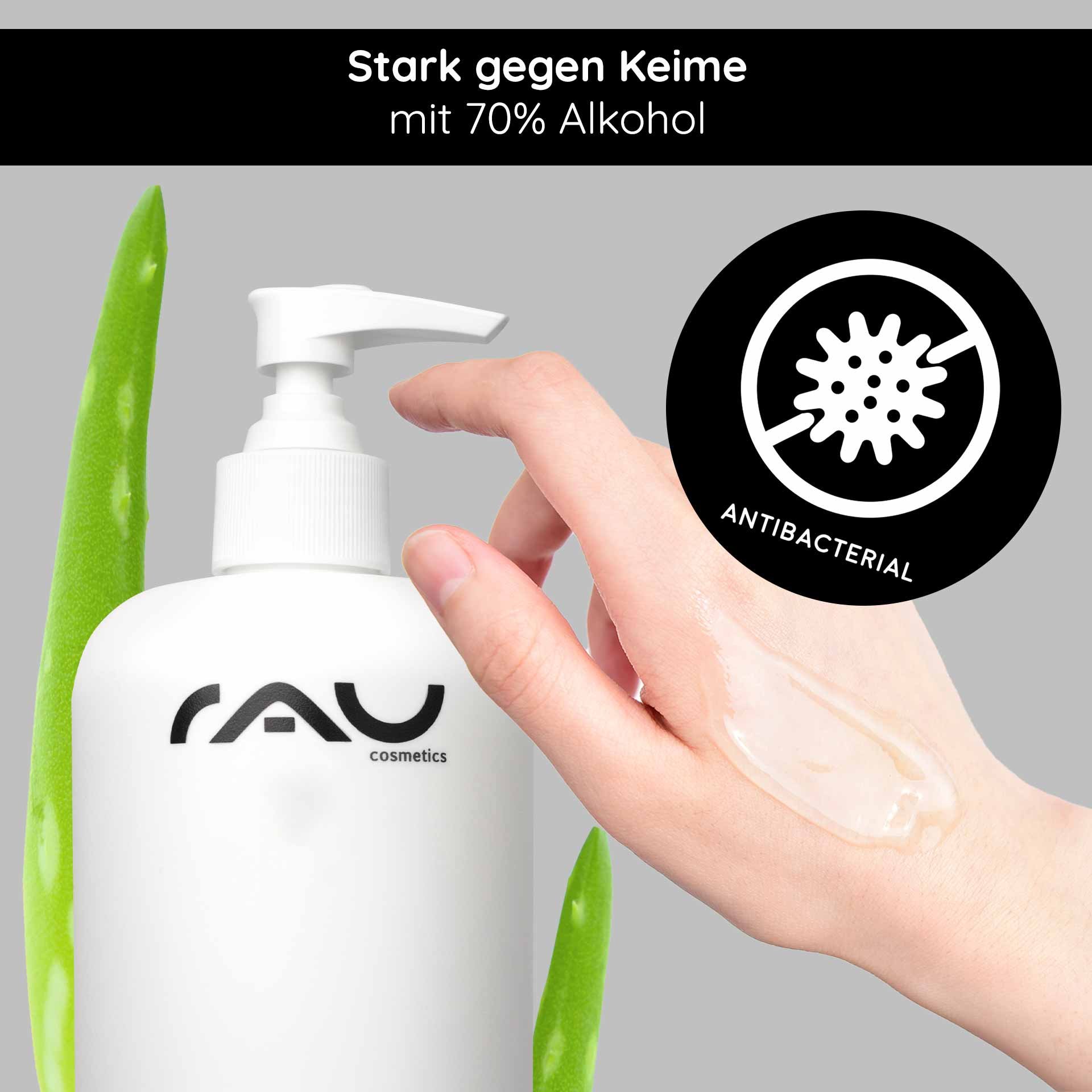
Content: 0.5 Liter ($30.10* / 1 Liter)
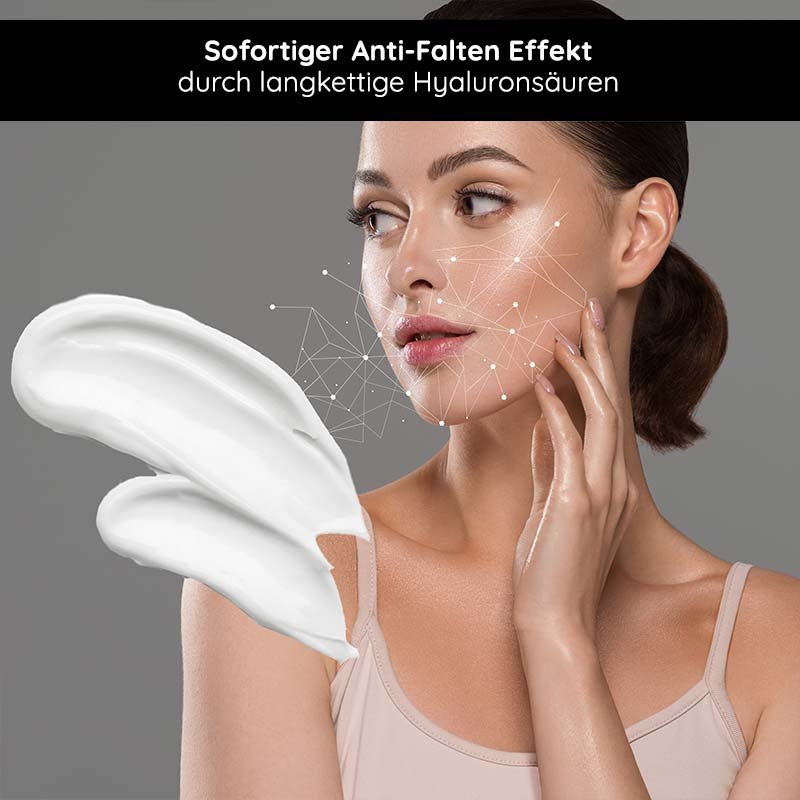
Content: 0.2 Liter ($702.00* / 1 Liter)
Content: 0.05 Liter ($780.40* / 1 Liter)
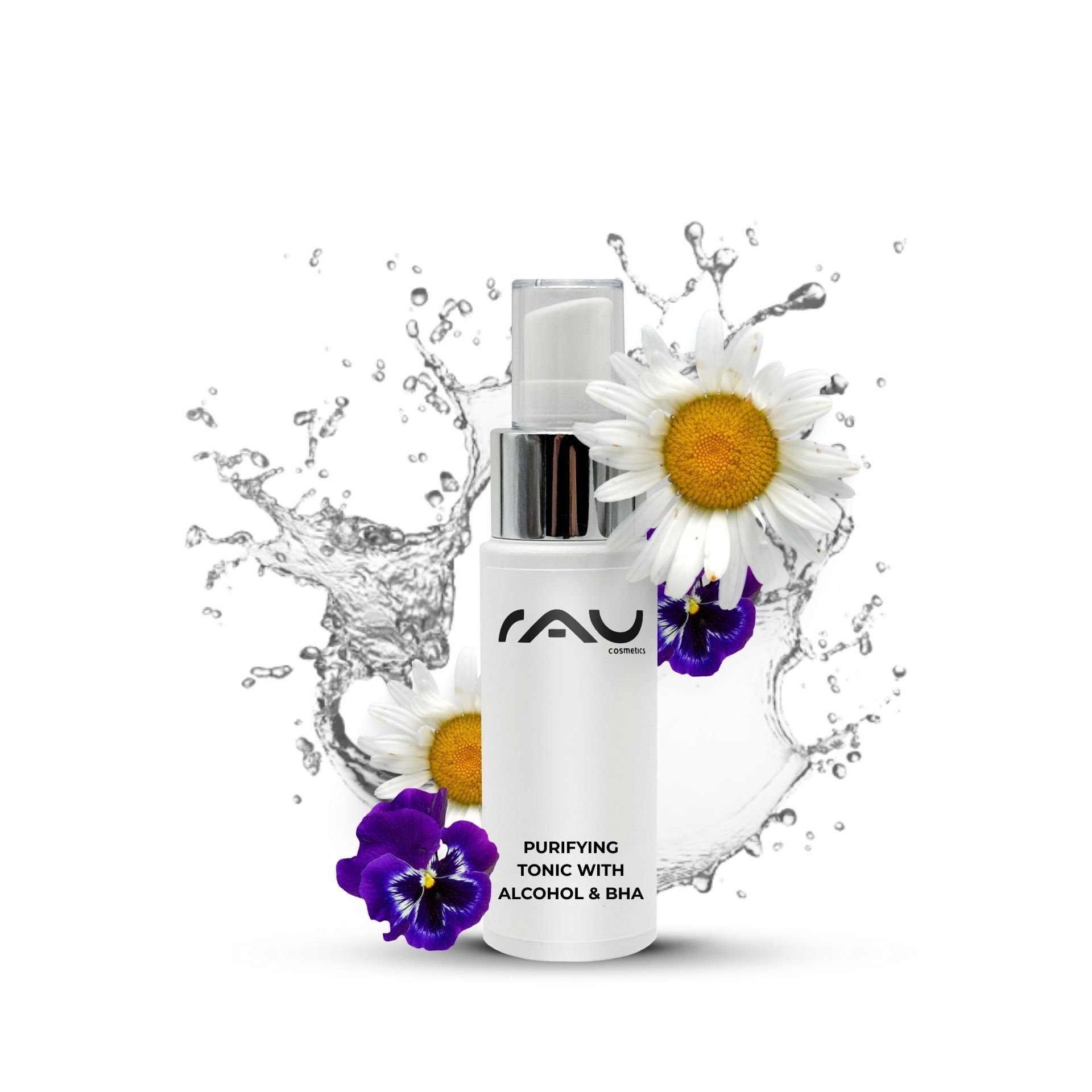
Content: 0.05 Liter ($198.20* / 1 Liter)
Content: 0.2 Liter ($129.85* / 1 Liter)

Content: 0.05 Liter ($1,302.20* / 1 Liter)


Content: 0.2 Liter ($486.15* / 1 Liter)
Content: 0.05 Liter ($519.40* / 1 Liter)
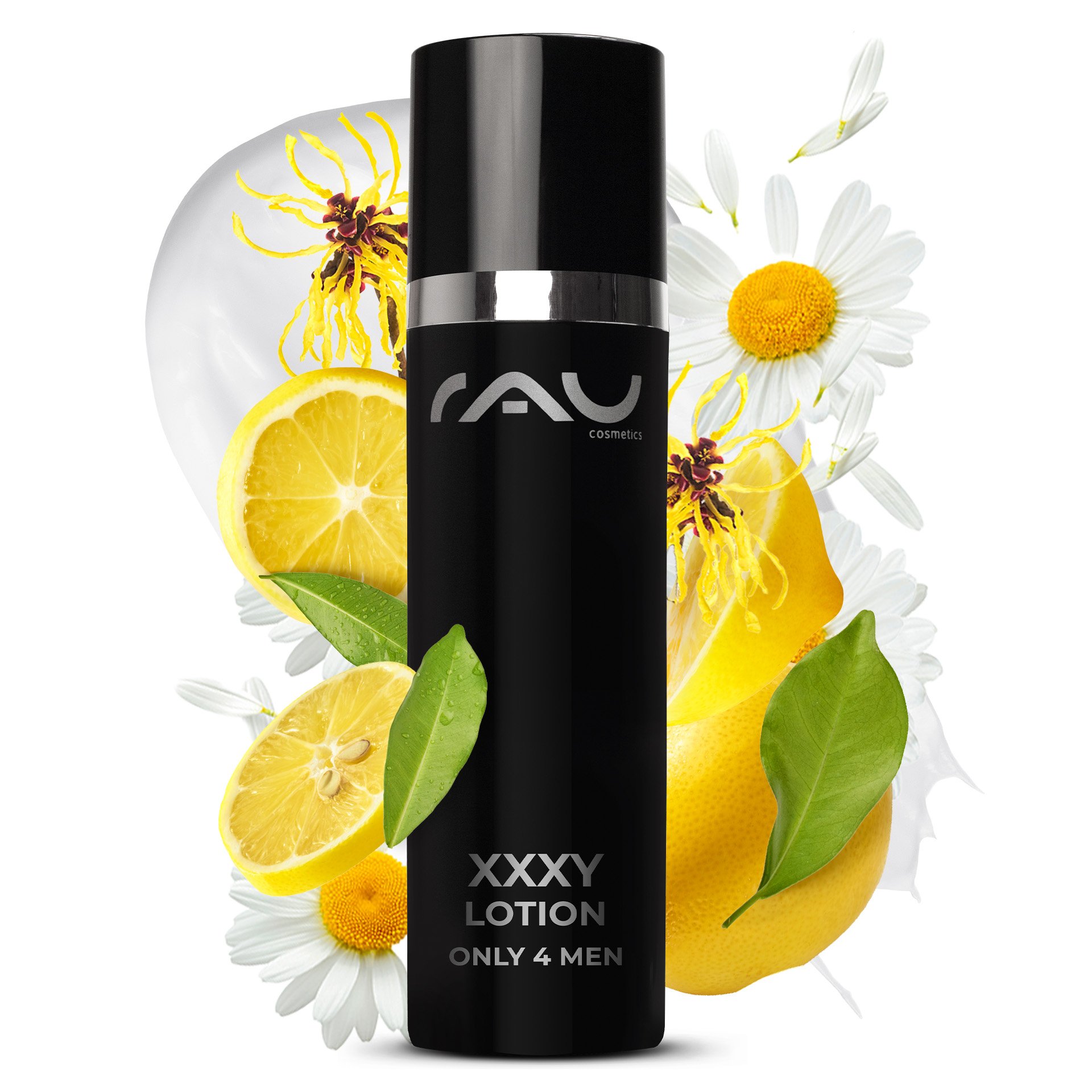
Content: 0.05 Liter ($780.40* / 1 Liter)
EMPFOHLEN FÜR RETINOL
RAU Cosmetics Retinol Serum Roll-On
Entwickelt für trockene & reife Haut — präzise Retinol-Anwendung mit Ceramid-Puffer.
4.78 / 5 · 211 Bewertungen
Zum Retinol SerumHäufige Fragen zu Retinol
Ab wann sieht man Ergebnisse mit Retinol Serum?
Erste Verbesserungen der Hauttextur nach 4 bis 6 Wochen. Anti-Aging-Effekte wie weniger Falten und mehr Festigkeit nach 12 bis 16 Wochen.
Kann ich Retinol Serum täglich anwenden?
Start mit 2x pro Woche abends — nach 4 Wochen auf 3 bis 4x steigern. Empfindliche Haut: 1x wöchentlich beginnen. Sonnenschutz am Folgetag ist Pflicht.
Retinol vs. Bakuchiol — was ist besser?
Retinol ist der klinisch am besten belegte Anti-Aging-Wirkstoff. Bakuchiol wirkt ähnlich, ist pflanzlich — ideal für Schwangere und sehr empfindliche Haut.