
Hyaluronic Acid
Glycosaminoglycan (body-own polysaccharide)
Hyaluronic acid is primarily obtained today through bacterial fermentation. Learn everything about its origin, effect, and the best application in your daily skincare routine.
What is Hyaluronic Acid?
Hyaluronic acid (INCI: Hyaluronic Acid) is a body-own glycosaminoglycan consisting of repeating disaccharide units and can bind up to 1000 times its own weight in water. Originally extracted from rooster combs, it is now obtained through bacterial fermentation — a biotechnological process that provides purer and more ethical raw materials. The special feature: depending on the molecular size, hyaluronic acid works in different skin layers — low molecular forms penetrate into the dermis and stimulate collagen synthesis, while high molecular variants form a protective moisture film on the surface.
How Hyaluronic Acid works on your skin
Deep Moisturizing
The disaccharide polymer binds up to 6 liters of water per gram of dry substance. Low molecular fractions (<50 kDa) penetrate the stratum corneum and hydrate the living epidermis layers, while high molecular forms (>1000 kDa) form a superficial moisture film.
Stimulation of Collagen Synthesis
Low molecular hyaluronic acid fragments act as signaling molecules and activate dermal fibroblasts. This leads to increased expression of Type I and III collagen as well as elastin.
Frequently Asked Questions about Hyaluronic Acid
Why are there different molecular sizes and which is the best?
Molecular size determines where hyaluronic acid works: Low molecular (<50 kDa) penetrates into the dermis and stimulates collagen production, medium (50-1000 kDa) hydrates the epidermis, high molecular (>1000 kDa) forms a protective surface film. Ideally, you combine all three sizes in one product.
Can hyaluronic acid dry out the skin?
Yes, that is possible — but only under specific conditions. If humidity is below 40-45%, high-concentration hyaluronic acid can pull water from deeper skin layers. Therefore, always apply hyaluronic acid to damp skin and seal it with an occlusive cream or oil.
Discover the Power of Hyaluronic Acid
Find the right RAU Cosmetics product with hyaluronic acid for your individual skincare routine.
Discover all ingredients

Contenido: 0.2 Liter (646,80 US$* / 1 Liter)

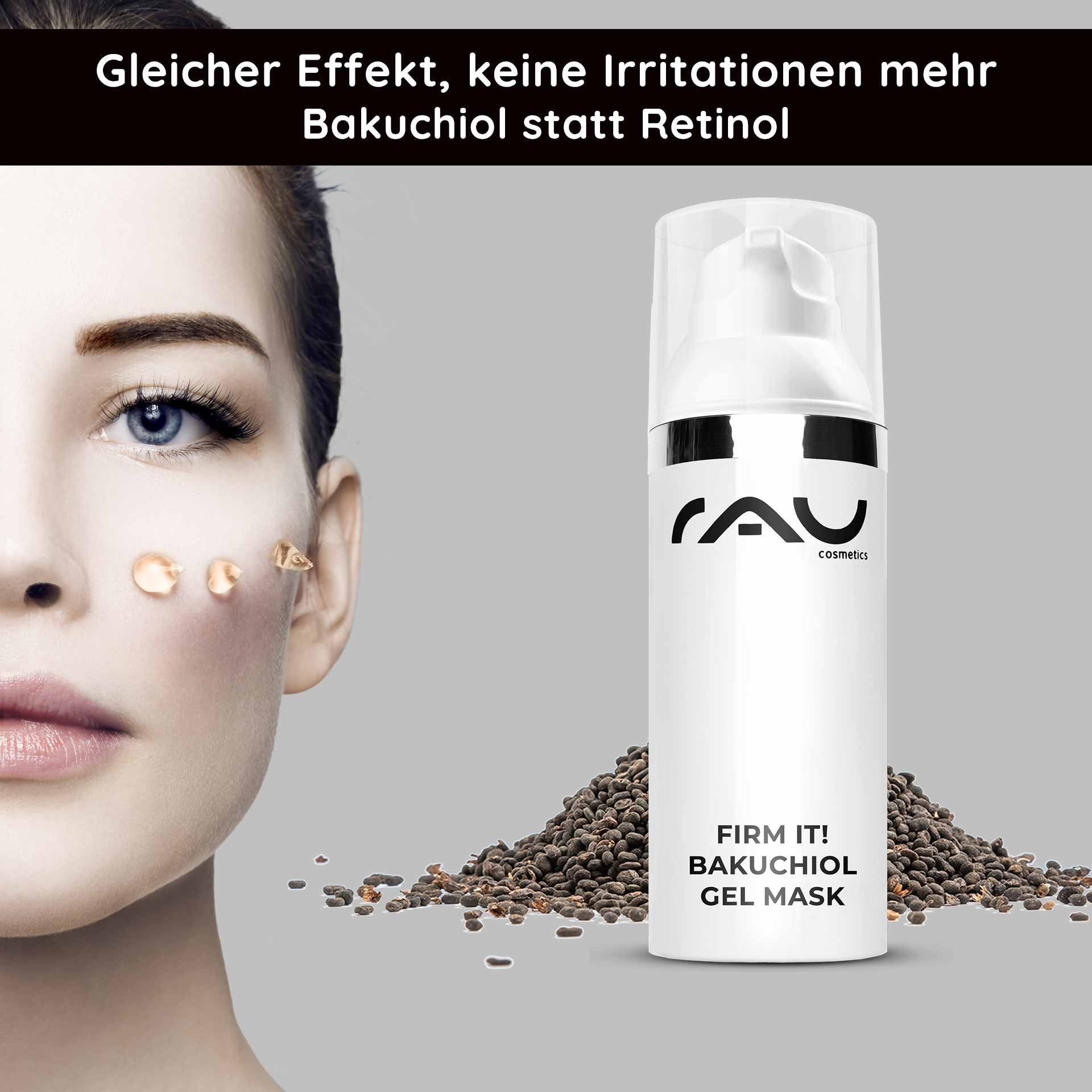
Contenido: 0.05 Liter (780,40 US$* / 1 Liter)
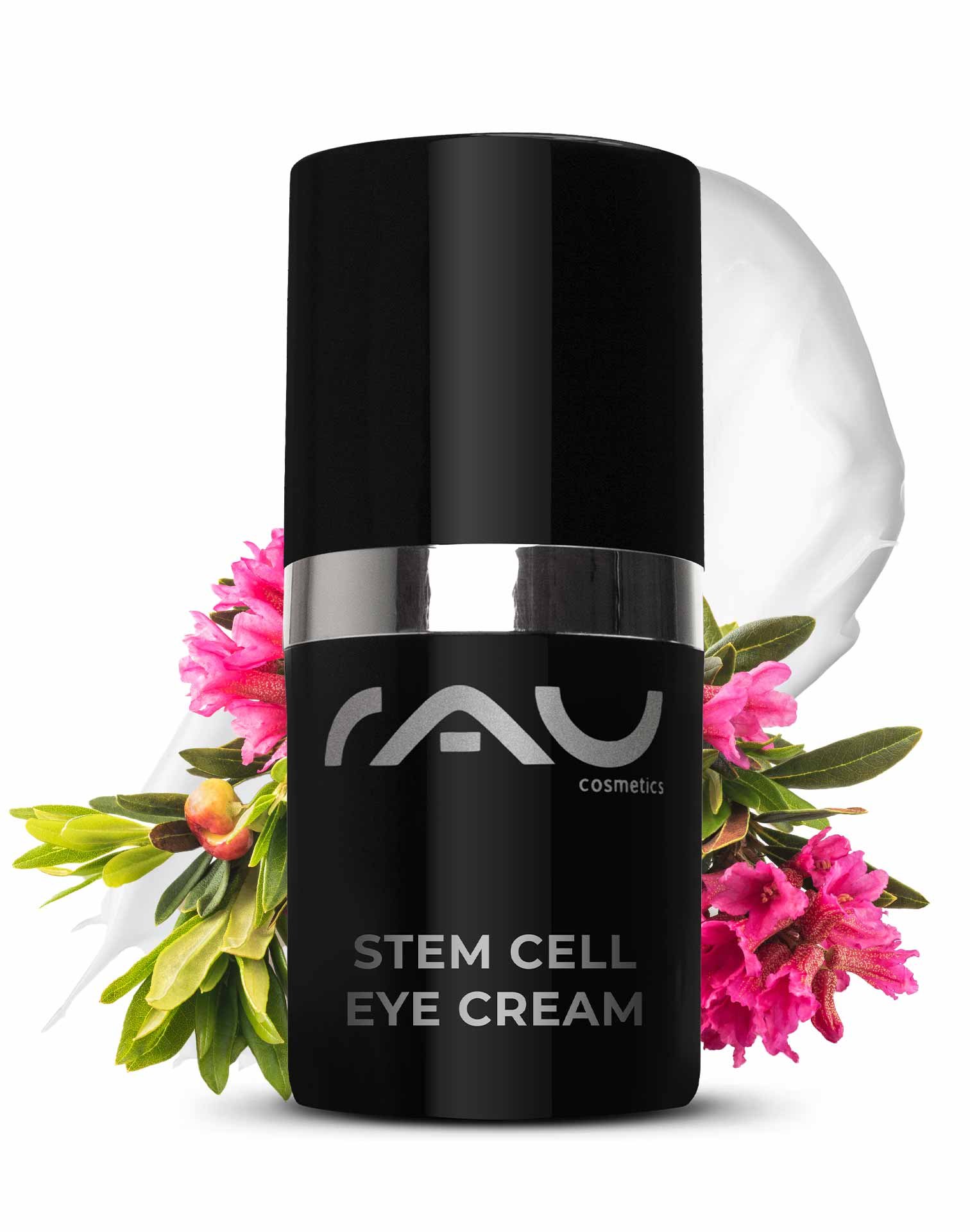
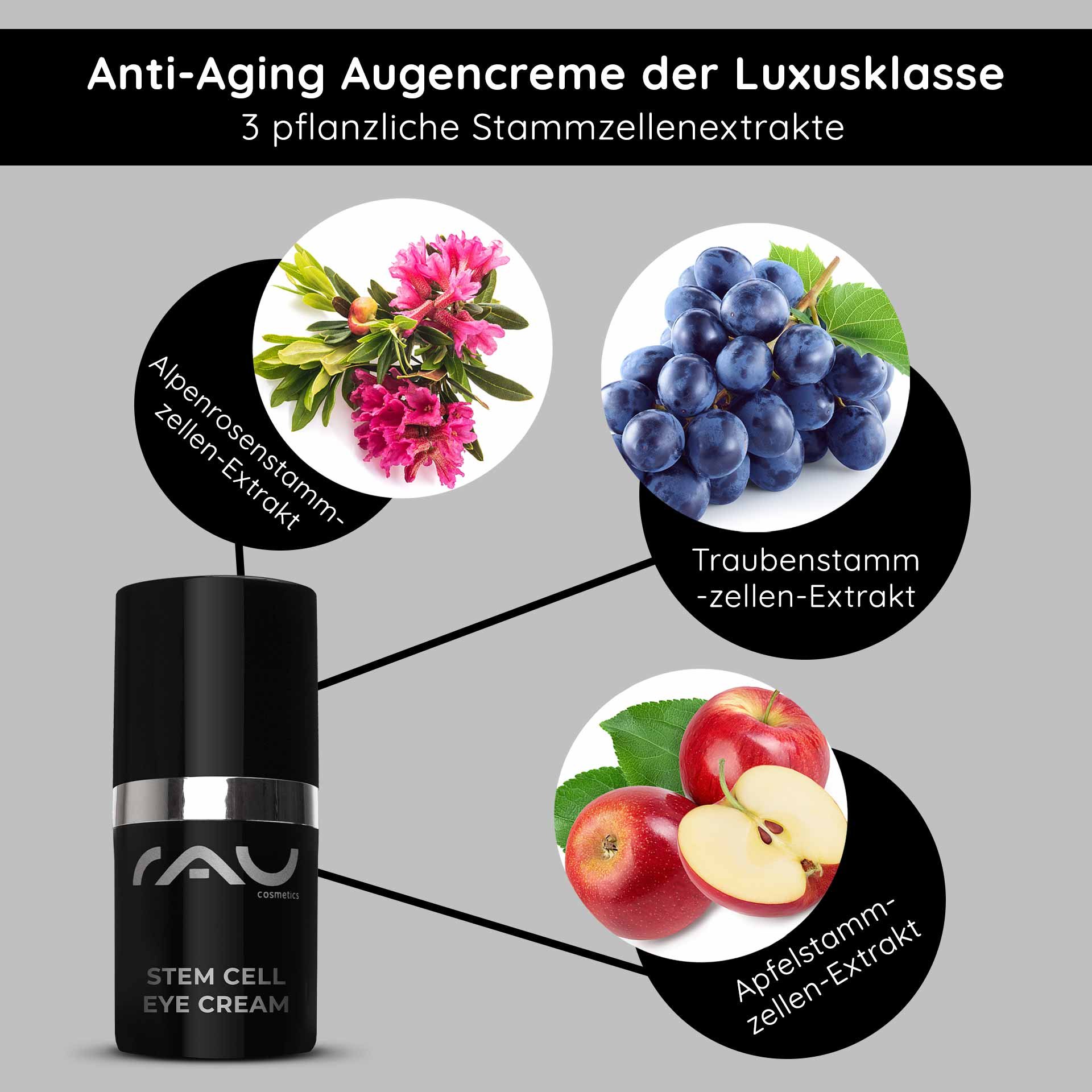
Contenido: 0.015 Liter (2.333,33 US$* / 1 Liter)
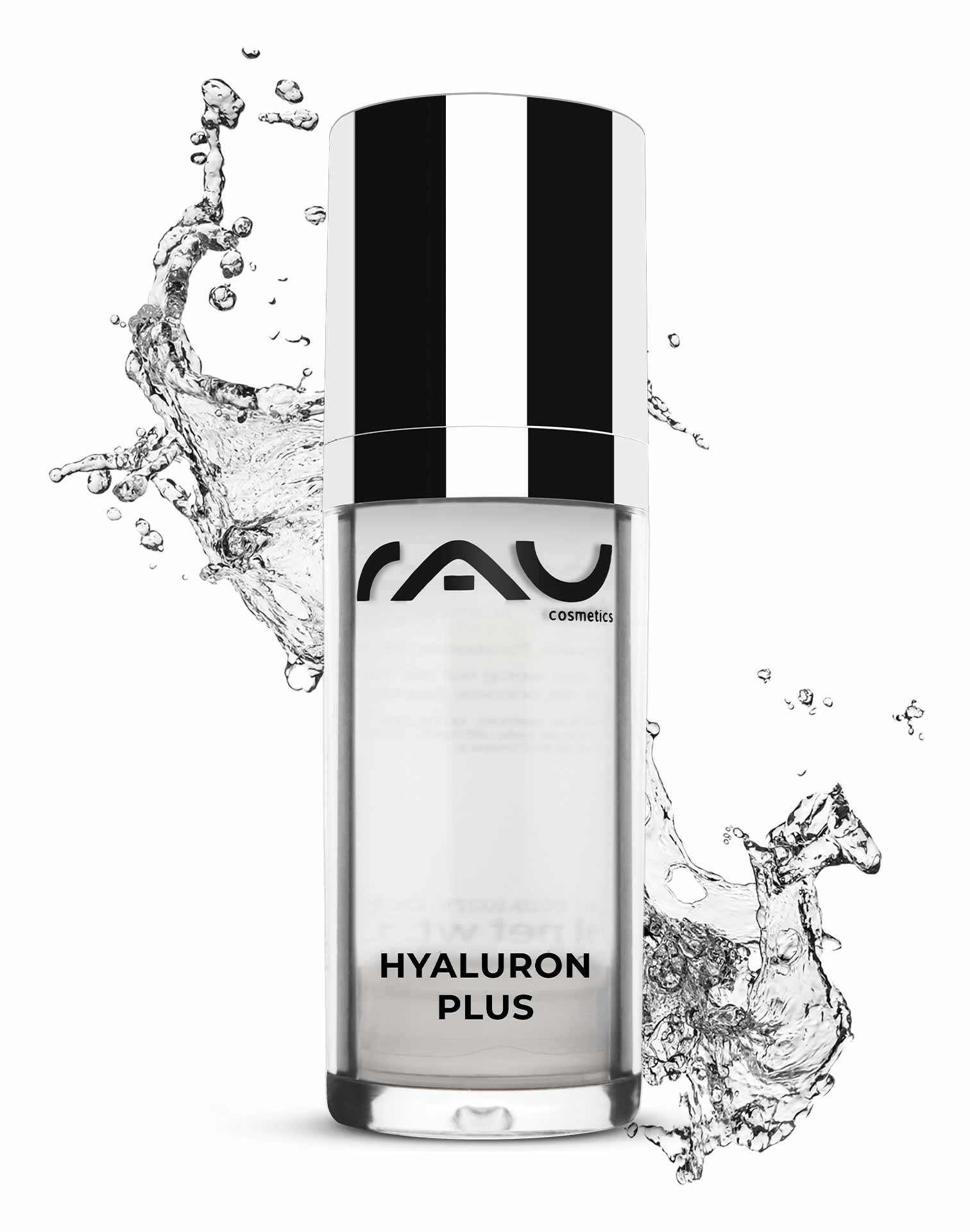
Contenido: 0.03 Liter (999,33 US$* / 1 Liter)
Contenido: 0.05 Liter (1.302,20 US$* / 1 Liter)
Contenido: 0.2 Liter (702,00 US$* / 1 Liter)
Contenido: 0.05 Liter (780,40 US$* / 1 Liter)
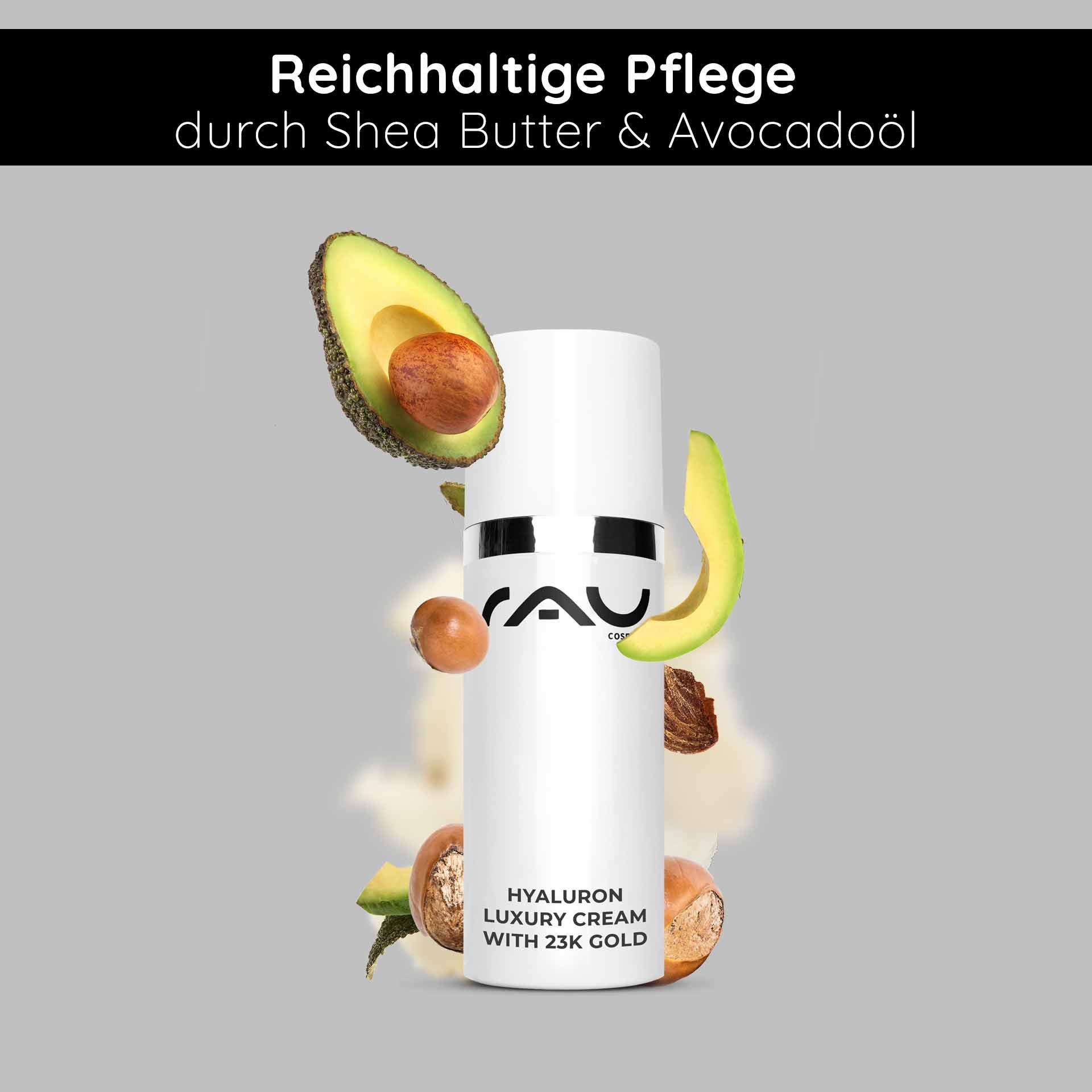
Contenido: 0.05 Liter (981,00 US$* / 1 Liter)
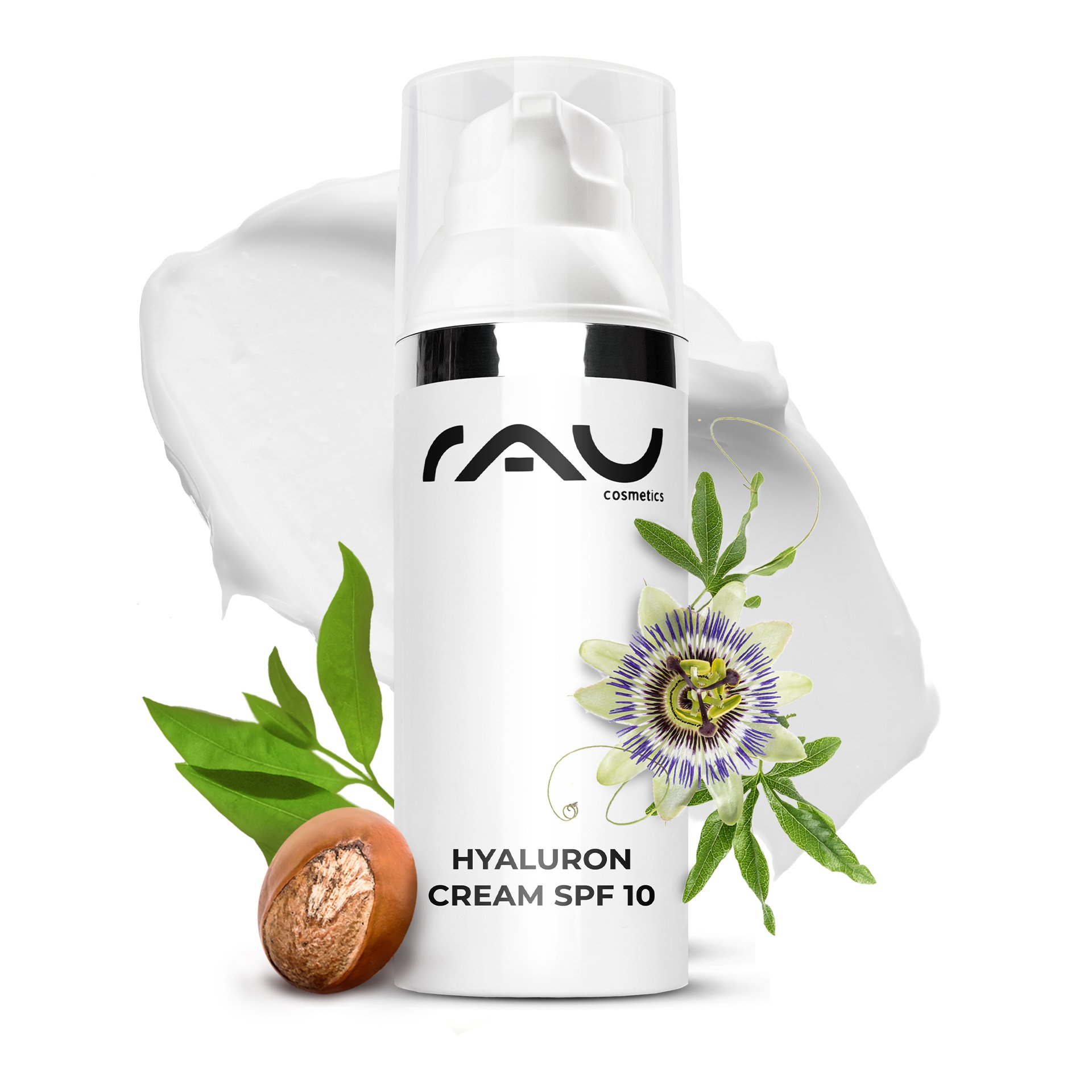
Contenido: 0.05 Liter (800,40 US$* / 1 Liter)
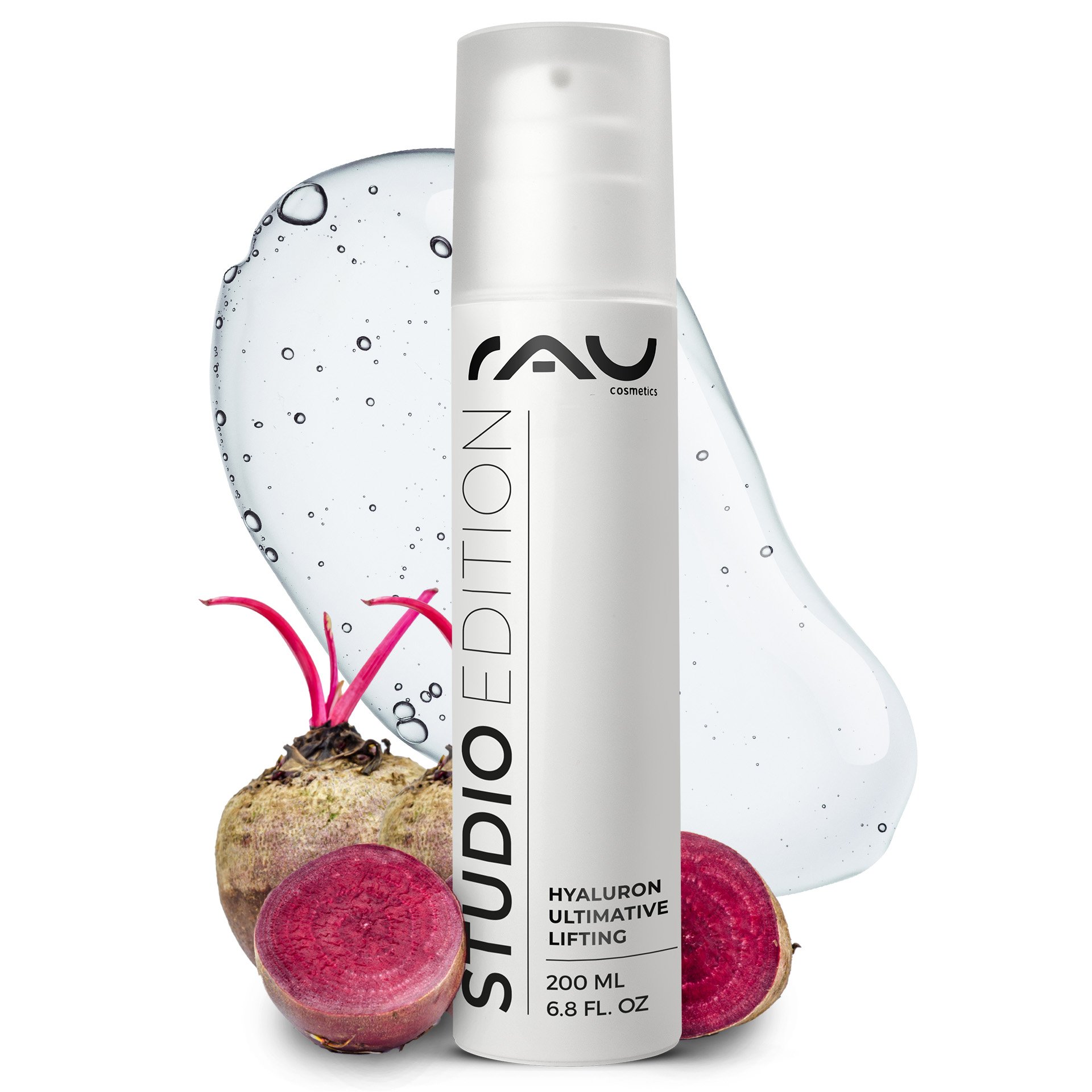
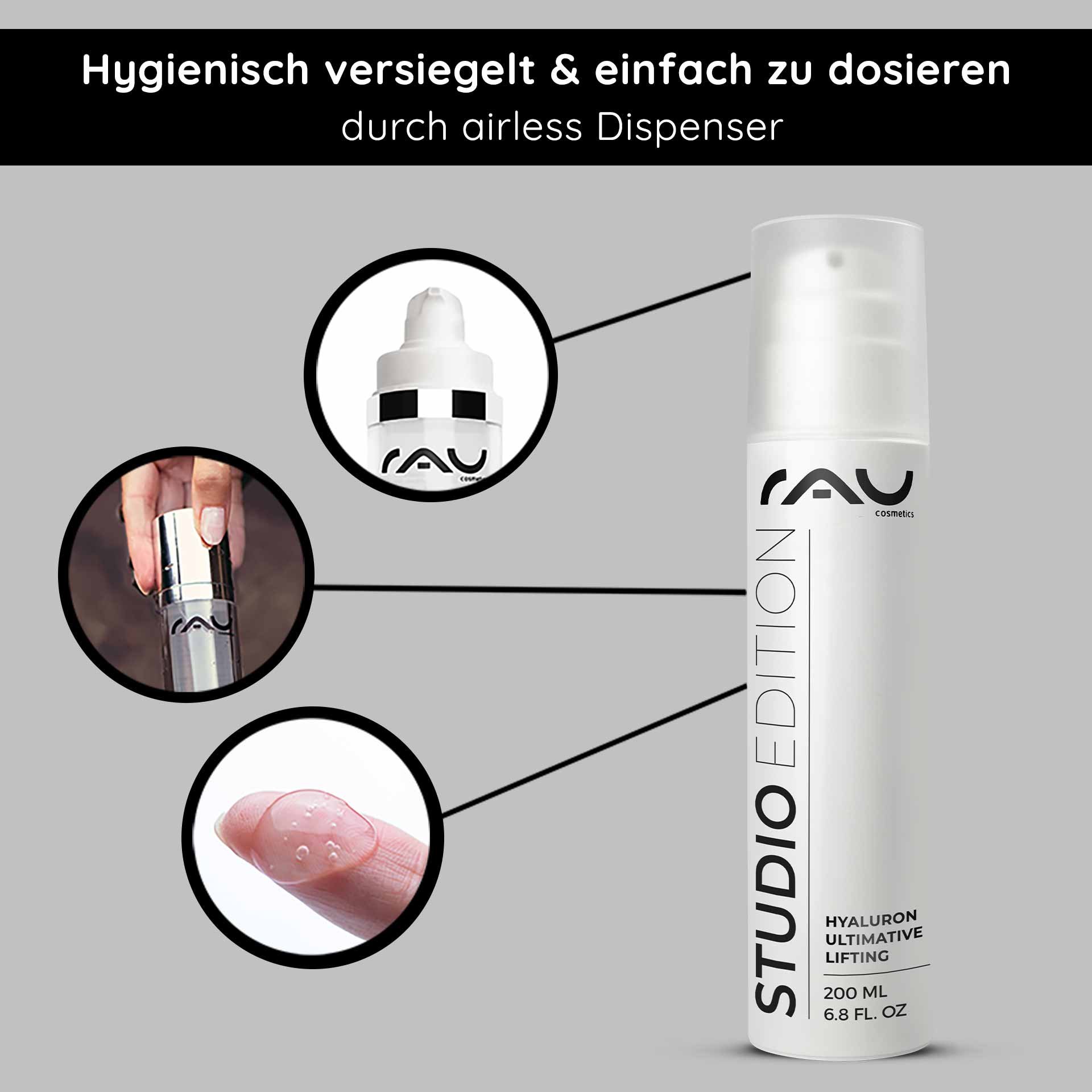
Contenido: 0.2 Liter (684,40 US$* / 1 Liter)
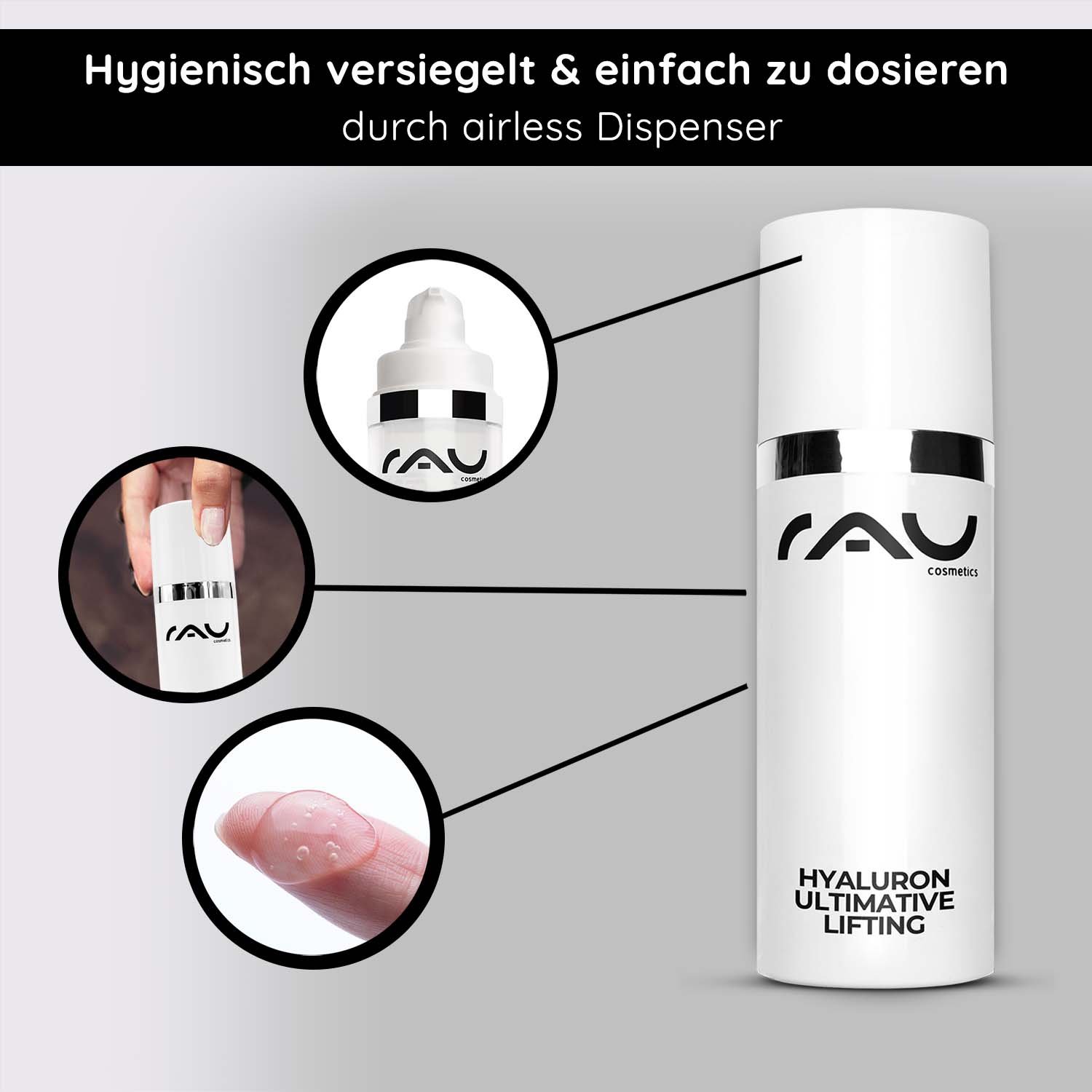
Contenido: 0.05 Liter (780,40 US$* / 1 Liter)
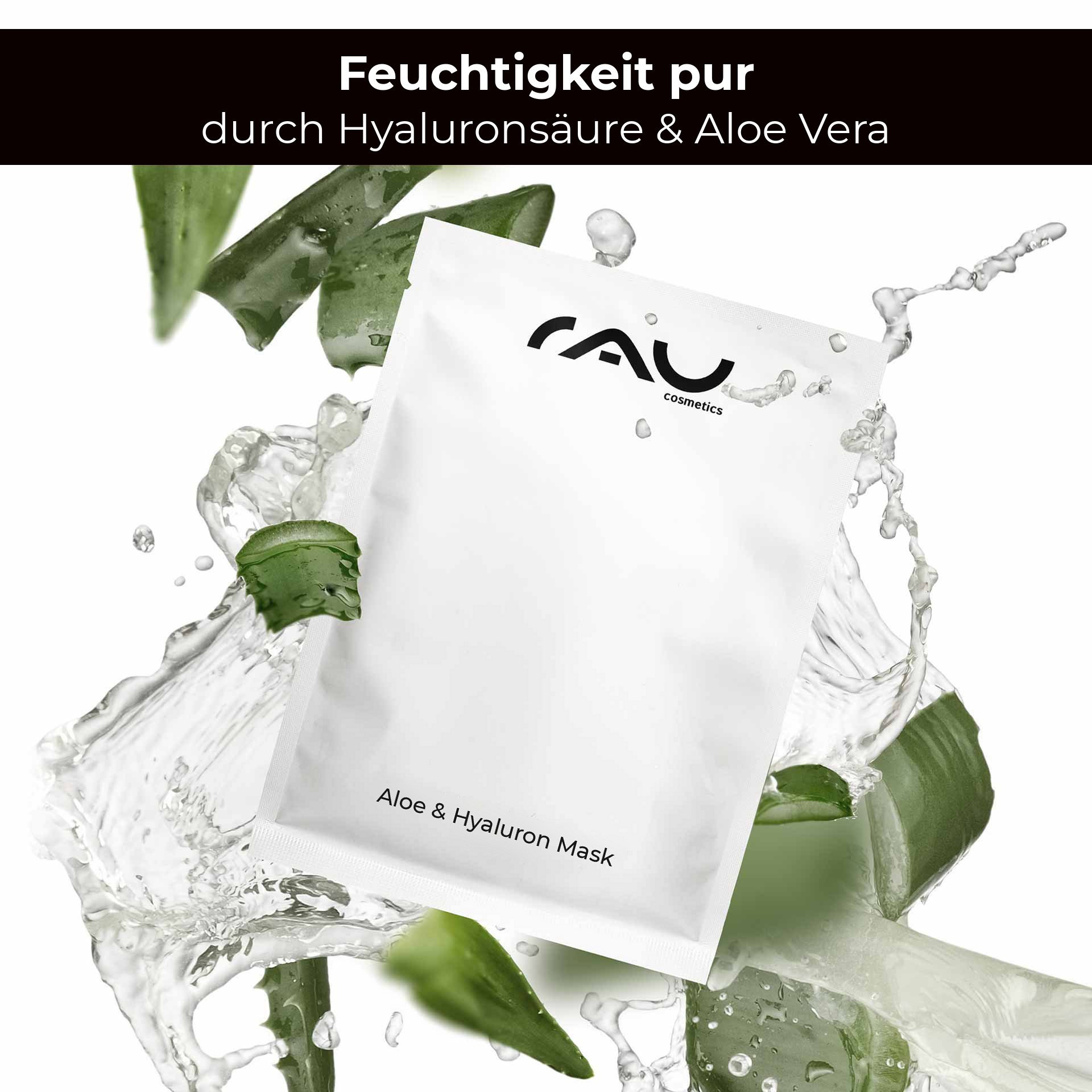
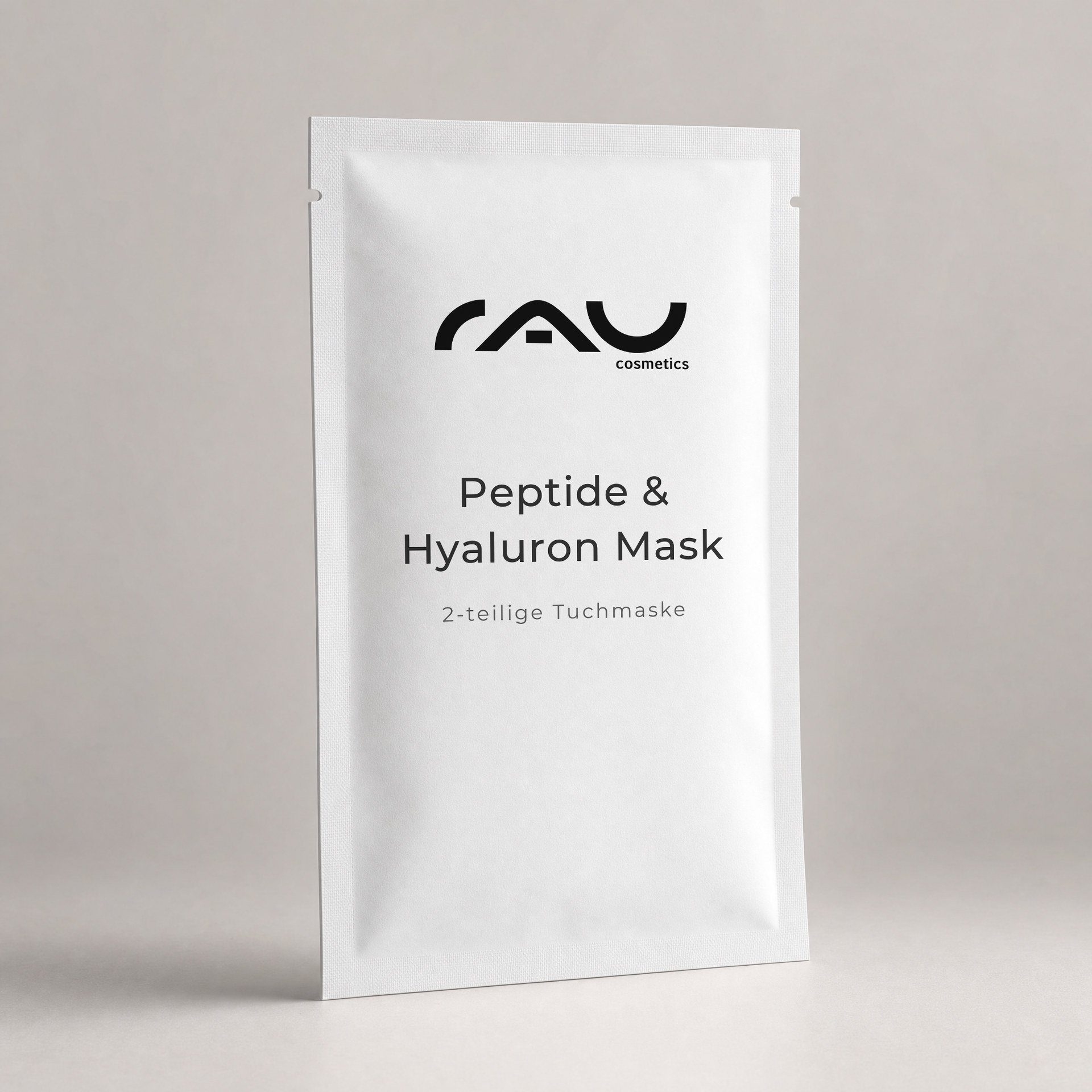
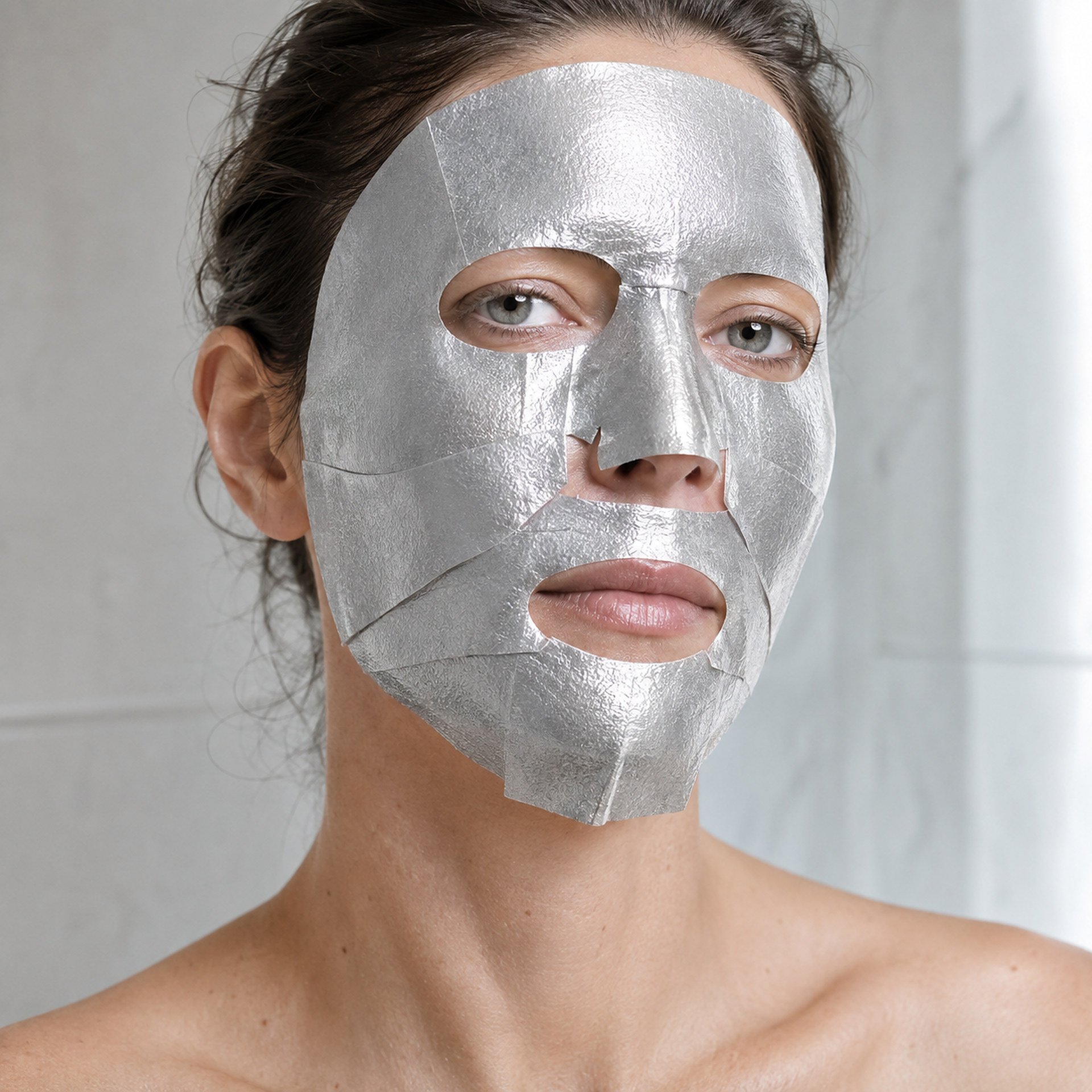
Contenido: 10 Stück (7,52 US$* / 1 Stück)
Contenido: 5 Stück (8,61 US$* / 1 Stück)


Contenido: 0.1 Liter (651,10 US$* / 1 Liter)
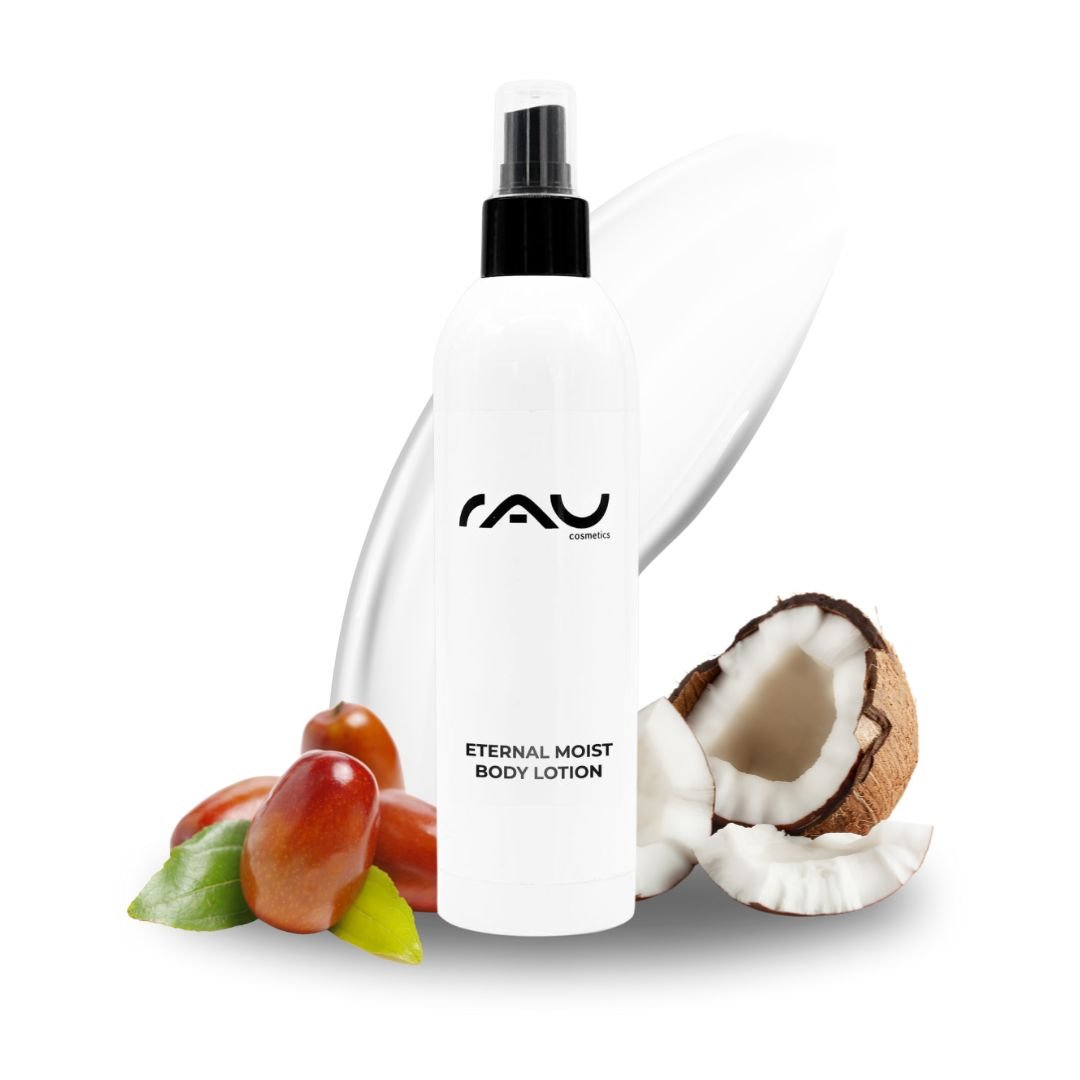
Contenido: 0.25 Liter (99,84 US$* / 1 Liter)
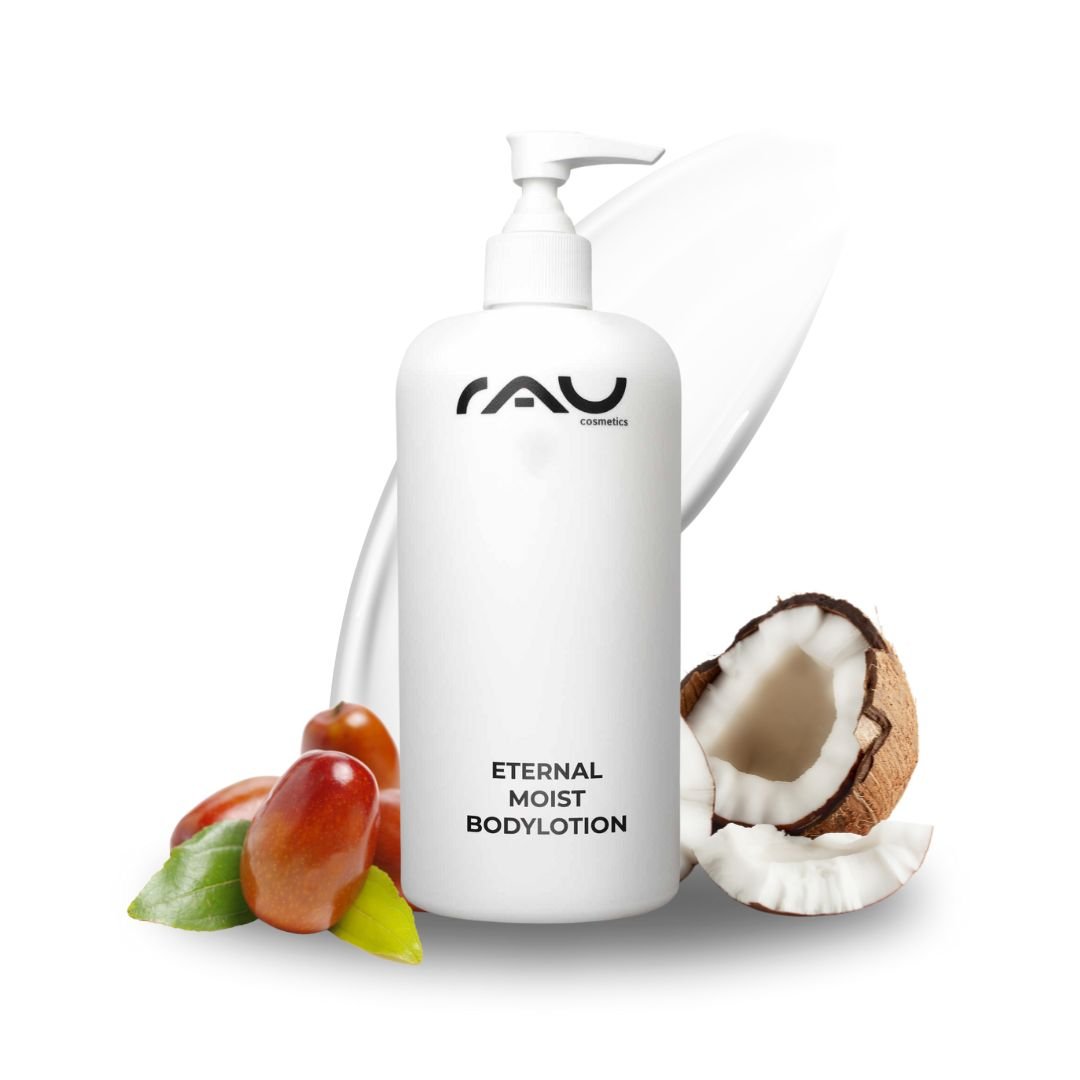
Contenido: 0.5 Liter (90,08 US$* / 1 Liter)
EMPFOHLEN FÜR RETINOL
RAU Cosmetics Retinol Serum Roll-On
Entwickelt für trockene & reife Haut — präzise Retinol-Anwendung mit Ceramid-Puffer.
4.78 / 5 · 211 Bewertungen
Zum Retinol SerumHäufige Fragen zu Retinol
Ab wann sieht man Ergebnisse mit Retinol Serum?
Erste Verbesserungen der Hauttextur nach 4 bis 6 Wochen. Anti-Aging-Effekte wie weniger Falten und mehr Festigkeit nach 12 bis 16 Wochen.
Kann ich Retinol Serum täglich anwenden?
Start mit 2x pro Woche abends — nach 4 Wochen auf 3 bis 4x steigern. Empfindliche Haut: 1x wöchentlich beginnen. Sonnenschutz am Folgetag ist Pflicht.
Retinol vs. Bakuchiol — was ist besser?
Retinol ist der klinisch am besten belegte Anti-Aging-Wirkstoff. Bakuchiol wirkt ähnlich, ist pflanzlich — ideal für Schwangere und sehr empfindliche Haut.