
CAPRYLHYDROXAMIC ACID
Synthetic hydroxamic acid (chelating agent & preservative)
CAPRYLHYDROXAMIC ACID is produced by chemical synthesis from caprylic acid (octanoic acid, a naturally occurring fatty acid from coconut oil) and hydroxylamine. Learn everything about its origin, effect, and the best application in your daily care routine here.
viewBox="0 0 24 24" fill="none" width="32" height="32" aria-hidden="true">
Caprylhydroxamic acid (caprylyl hydroxamic acid) is a synthetic chelating agent and antimicrobial active ingredient that has revolutionized modern cosmetic formulation. Unlike classic preservatives that kill microorganisms directly, this ingredient works via nutrient withdrawal: the hydroxamic acid group binds metal ions such as iron and copper that bacteria and fungi need for their metabolism — an elegant, skin-friendly mechanism. Its dual function as an antioxidant is particularly valuable: by binding free iron ions, it prevents aggressive oxidation processes that not only destroy active ingredients such as vitamin C or retinol, but also accelerate skin aging. In combination with mild co-preservatives, caprylhydroxamic acid enables formulations that are also suitable for neurodermatitis patients and contact allergy sufferers. Accepted by natural cosmetics certifications and producible from renewable raw materials (coconut oil), this ingredient represents the paradigm shift to multifunctional, microbiome-friendly preservation systems.
viewBox="0 0 24 24" fill="none" width="32" height="32" aria-hidden="true">
Produced by chemical synthesis from caprylic acid (octanoic acid, a naturally occurring fatty acid from coconut oil) and hydroxylamine. It is considered a modern, skin-friendly alternative to traditional parabens and was specifically developed for sensitive natural cosmetics. In modern cosmetics, extraction and processing are subject to strict quality standards according to the EU Cosmetic Regulation (EC) No. 1223/2009. RAU Cosmetics only sources cosmetic-grade raw materials from certified suppliers.
viewBox="0 0 24 24" fill="none" width="32" height="32" aria-hidden="true">
Works via a dual mechanism of action: as a chelating agent, the hydroxamic acid group binds metal ions (especially iron) that bacteria and fungi need for their metabolism — thereby inhibiting their growth. Simultaneously, the amphiphilic structure (hydrophobic C8 chain + hydrophilic hydroxamic acid) destabilizes the cell membranes of microorganisms. By combining it with mild co-preservatives such as phenoxyethanol or organic acids, a synergy effect is created that reduces the total concentration of preservatives required.
viewBox="0 0 24 24" fill="none" width="32" height="32" aria-hidden="true">
How it works on your skin
Preservation Without Irritation Potential
In contrast to classic preservatives such as parabens or formaldehyde releasers, caprylhydroxamic acid works via nutrient withdrawal instead of direct cell toxicity. Chelation withdraws essential metal ions (Fe²⁺, Cu²⁺) from microorganisms without taxing human skin. Studies show an exceptionally low allergy rate of below 0.01% in patch tests.
Synergy Booster for Mild Preservation
Enables the reduction of classic preservatives by 30-50% by enhancing their effect. Metal ion binding makes bacteria more susceptible to other antimicrobial active ingredients — an effect known as 'potentiation'. Particularly effective in combination with organic acids (anisic acid, levulinic acid) or phenoxyethanol in low doses.
Antioxidant Protective Effect
By binding free iron ions, the substance prevents the Fenton reaction, in which aggressive hydroxyl radicals are formed. These would not only destroy active ingredients such as vitamin C or retinol through oxidation, but also trigger lipid peroxidation in the skin. In serums with unstable active substances, caprylhydroxamic acid stabilizes the formulation and extends effectiveness.
Skin Soothing Through Metal Ion Control
Free iron ions in the skin (from water, environmental pollution, or inflammatory processes) promote oxidative stress and redness. The chelating property neutralizes these pro-oxidants and thereby reduces subclinical inflammation. Particularly beneficial for irritated skin after exfoliants or in regions with iron-containing tap water.
Microbiome-Friendly Preservation
Unlike broad-spectrum biocides like triclosan, caprylhydroxamic acid does not distinguish between 'good' and 'bad' bacteria through direct killing, but creates an environment in which pathogenic germs grow poorly. The natural skin microbiome (commensal bacteria such as Staphylococcus epidermidis) is less affected, as these organisms can handle limited metal ions more efficiently.
Who is it for?
Very gentle preservation system without the allergenic potential of parabens or isothiazolinones — ideal for contact allergies and neurodermatitis.
The anti-inflammatory effect through metal ion binding reduces oxidative processes that can trigger rosacea flare-ups.
Inhibits the growth of Propionibacterium acnes without damaging the skin barrier — supplements active ingredients such as BHA or niacinamide.
Accepted by many natural cosmetics certifications (COSMOS, Ecocert) and producible from renewable raw materials (coconut oil).
In your routine
Morning & Evening: All product categories
Caprylhydroxamic acid is a formulation component (not an active ingredient for targeted application). You will find it in serums, creams, cleansers, and toners — usually in the last third of the INCI list. Look for combinations with co-preservatives such as 'phenoxyethanol + caprylhydroxamic acid' — this is a quality feature for mild, modern preservation.
Combination with active ingredients
Particularly valuable in products with oxidation-sensitive ingredients: vitamin C (ascorbic acid), retinol, peptides, or unsaturated vegetable oils. The antioxidant protective effect extends the stability of these active ingredients. Avoid products that use only caprylhydroxamic acid as a preservative — effective preservation always requires a system of several components.
After chemical exfoliants or needling
Products with caprylhydroxamic acid are excellent for the phase after intensive treatments (AHA/BHA exfoliant, microneedling), as the anti-inflammatory metal ion control supports regeneration. The non-irritating preservation does not place additional stress on the stressed skin barrier.
Storage: Cool and protected from light
Although caprylhydroxamic acid itself is stable, it only develops its full protective effect for other ingredients if stored properly. Products with this preservation system should be used within 6-12 months after opening (observe the PAO symbol). Avoid direct sunlight on serums with vitamin C or retinol.
Frequently Asked Questions
Is caprylhydroxamic acid a 'real' preservative or just an auxiliary substance?
Legally, it is often declared as a 'skin conditioning agent' or 'chelating agent', not as a preservative in the sense of Annex V of the EU Cosmetic Regulation. In practice, however, it functions as an antimicrobial active ingredient through nutrient withdrawal (metal ion binding). The regulatory classification as a non-preservative enables more flexible formulations and is not a quality disadvantage — modern preservation systems deliberately rely on such multifunctional ingredients to minimize the total concentration of classic preservatives.
Can I combine caprylhydroxamic acid with vitamin C or niacinamide?
Yes, even explicitly recommended! The chelating property stabilizes vitamin C (L-ascorbic acid) by binding metal ions that would otherwise accelerate oxidation. In formulations with niacinamide, it prevents conversion to nicotinic acid (flushing trigger) through metal ion-catalyzed hydrolysis. Many high-quality serums with these active ingredients use caprylhydroxamic acid as a stabilizer — a sign of sophisticated formulation art.
Why do some products say 'without preservatives' even though caprylhydroxamic acid is contained?
That is legally correct, but communicatively misleading. According to the EU Cosmetic Regulation, only substances from Annex V (list of approved preservatives such as parabens, phenoxyethanol) must be declared as 'preservatives'. Caprylhydroxamic acid is not on this list but fulfills preserving functions. The statement 'without preservatives' should better read 'without classic preservatives' — because completely unpreserved water-containing cosmetics would be microbially contaminated and hazardous to health within days.
Is this ingredient approved for natural cosmetics?
Yes, under certain conditions. COSMOS standard and Ecocert accept caprylhydroxamic acid if it is produced from renewable raw materials (caprylic acid from coconut oil). The synthesis step (reaction with hydroxylamine) must take place according to 'green chemistry' principles. Many certified natural cosmetics brands use it as a gentle alternative to essential oils (which can have an allergenic effect in high concentrations) or to controversial preservatives such as benzyl alcohol.
Which preservation systems are particularly gentle for sensitive skin?
Modern 'hybrid systems' made of caprylhydroxamic acid + organic acids (levulinic acid, anisic acid) + low-dose phenoxyethanol (below 0.5%) are considered state-of-the-art. The combination enables broad-spectrum protection against bacteria, yeasts, and molds at minimal total concentration. Studies show significantly fewer contact allergies compared to older systems (parabens, methylisothiazolinone). Combinations with ethylhexylglycerin or caprylyl glycol are also well tolerated.
Discover the Power of CAPRYLHYDROXAMIC ACID
Find the right RAU Cosmetics product for your individual skin care routine.
Discover all active ingredients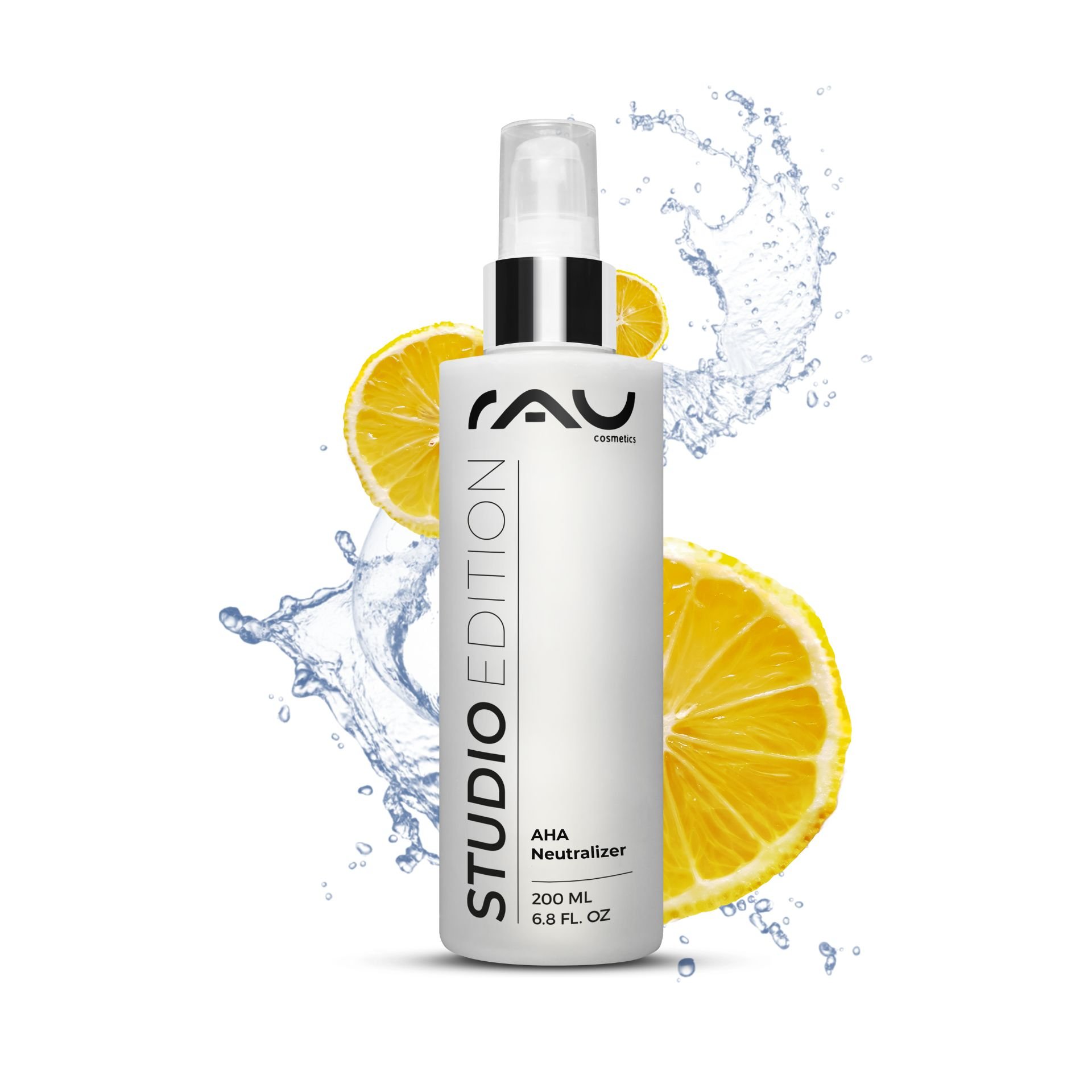

Content: 200 Milliliter ($19.51* / 100 Milliliter)

Content: 50 Milliliter ($29.86* / 100 Milliliter)
EMPFOHLEN FÜR RETINOL
RAU Cosmetics Retinol Serum Roll-On
Entwickelt für trockene & reife Haut — präzise Retinol-Anwendung mit Ceramid-Puffer.
4.78 / 5 · 211 Bewertungen
Zum Retinol SerumHäufige Fragen zu Retinol
Ab wann sieht man Ergebnisse mit Retinol Serum?
Erste Verbesserungen der Hauttextur nach 4 bis 6 Wochen. Anti-Aging-Effekte wie weniger Falten und mehr Festigkeit nach 12 bis 16 Wochen.
Kann ich Retinol Serum täglich anwenden?
Start mit 2x pro Woche abends — nach 4 Wochen auf 3 bis 4x steigern. Empfindliche Haut: 1x wöchentlich beginnen. Sonnenschutz am Folgetag ist Pflicht.
Retinol vs. Bakuchiol — was ist besser?
Retinol ist der klinisch am besten belegte Anti-Aging-Wirkstoff. Bakuchiol wirkt ähnlich, ist pflanzlich — ideal für Schwangere und sehr empfindliche Haut.