
BENZYL BENZOATE
Aromatic ester (naturally occurring and synthetic)
BENZYL BENZOATE is benzyl benzoate that occurs naturally in essential oils such as Peru balsam, ylang-ylang, and jasmine. Learn everything about its origin, effect, and the best application in your daily care routine here.
viewBox="0 0 24 24" fill="none" width="32" height="32" aria-hidden="true">
Benzyl benzoate is an aromatic ester that occurs naturally in precious floral scents such as jasmine, ylang-ylang, and tuberose. In cosmetics, it is predominantly produced synthetically and fulfills several functions: as a solubilizer for poorly soluble active ingredients, as a fragrance component with a balsamic note, and as a preservative booster. Its property as a penetration enhancer is particularly valuable — it improves the absorption of lipophilic active ingredients such as retinol or vitamin E into the skin. Benzyl benzoate belongs to the 26 fragrance allergens requiring declaration in the EU and must be named on the INCI list starting at 0.001% in leave-on products.
viewBox="0 0 24 24" fill="none" width="32" height="32" aria-hidden="true">
Benzyl benzoate occurs naturally in essential oils such as Peru balsam, ylang-ylang, and jasmine. In cosmetics, it is predominantly obtained synthetically by esterifying benzyl alcohol with benzoic acid — a classic example of the industrial reproduction of a natural substance. Main regions of origin: naturally present in Peru balsam, Tolu balsam, ylang-ylang oil, and jasmine; industrially produced by esterifying benzyl alcohol with benzoic acid. In modern cosmetics, extraction and processing are subject to strict quality standards according to the EU Cosmetic Regulation (EC) No. 1223/2009. RAU Cosmetics only sources cosmetic-grade raw materials from certified suppliers.
viewBox="0 0 24 24" fill="none" width="32" height="32" aria-hidden="true">
Benzyl benzoate acts as a solubilizer for other fragrances and active ingredients and stabilizes formulations. It possesses preservative properties by disrupting the cell membrane of microorganisms. In pharmaceutical applications (outside of cosmetics), it works against scabies mites and lice by blocking the parasites' respiratory openings — however, this effect is not relevant at cosmetic concentrations.
viewBox="0 0 24 24" fill="none" width="32" height="32" aria-hidden="true">
How it works on your skin
Solubilizer for Active Ingredients
Benzyl benzoate is an excellent solubilizer for lipophilic (fat-soluble) fragrance and active ingredients in aqueous systems. Due to its amphiphilic structure (both hydrophilic and lipophilic molecular parts), it forms microemulsions and enables the stable incorporation of poorly soluble components such as essential oils or retinoids. This increases the bioavailability of the active ingredients in the formulation.
Preservative Support
Benzyl benzoate shows antimicrobial properties by disrupting the phospholipid bilayer of bacterial and fungal cell membranes. It enhances the effect of classic preservation systems (booster effect), thereby allowing the use of lower preservative concentrations. Particularly effective against yeasts and molds.
Natural Fragrance Component
As a natural component of jasmine, ylang-ylang, and tuberose oil, benzyl benzoate contributes to the characteristic scent of these flowers. It has a weak balsamic, slightly sweet inherent odor and is used in perfumery as a fixative — it slows down the evaporation of volatile fragrances and thus extends the fragrance development on the skin.
Penetration Enhancer
Benzyl benzoate improves the transdermal penetration of hydrophobic active ingredients through reversible modification of the lipid structure in the stratum corneum. It temporarily loosens the tightly packed ceramide lamellae without permanently damaging the barrier function. This makes it valuable in anti-aging formulations with retinol or in acne treatments with lipophilic active ingredients.
Who is it for?
Well tolerated at low dosages as a fragrance component and solubilizer for sensitive formulations.
Supports the penetration of lipophilic active ingredients and improves their availability in the stratum corneum.
In your routine
Patch test at first application
Since benzyl benzoate is one of the 26 fragrance allergens requiring declaration, test the product for 48 hours on a small patch of skin (e.g., forearm or behind the ear), especially if you are prone to contact allergies.
In combination with other active ingredients
Products with benzyl benzoate are particularly suitable as carriers for lipophilic active ingredients such as retinol, vitamin E, or essential oils. Apply them after cleansing and before rich creams to optimize active ingredient penetration.
Not for injured skin
Avoid application on irritated, inflamed, or injured skin, as benzyl benzoate enhances penetration and can thus worsen irritation.
Avoid the eye area
Maintain a distance of at least 1 cm from the eye area, as the solubilizing properties can lead to irritation in this sensitive region.
Frequently Asked Questions
Why is benzyl benzoate on the allergen list if it occurs naturally?
Benzyl benzoate is one of the 26 fragrance allergens requiring declaration according to the EU Cosmetic Regulation because epidemiological studies show that about 1-2% of the population reacts sensitively to it. The fact that it occurs naturally in plants does not protect against allergies — many natural substances (e.g., linalool, limonene) are also allergens. The declaration requirement enables sensitized persons to avoid these products.
Can I use benzyl benzoate during pregnancy?
At cosmetic concentrations (0.001-0.5%), benzyl benzoate is considered safe during pregnancy and breastfeeding. The situation is different with pharmaceutical preparations (e.g., 25% benzyl benzoate against scabies), which should only be used during pregnancy after consultation with a doctor. However, there is no risk in normal skin care products and perfumes.
Why is benzyl benzoate often used together with vitamin A (retinol)?
Benzyl benzoate is an excellent solubilizer for lipophilic retinol and improves its stability in the formulation. Additionally, as a penetration enhancer, it increases the absorption of retinol into the epidermis, allowing lower retinol concentrations to be used with the same effectiveness — this reduces the potential for irritation. This synergistic combination is particularly valuable in anti-aging products.
Is synthetic benzyl benzoate worse than natural benzyl benzoate from essential oils?
Chemically, synthetic and naturally extracted benzyl benzoate are identical — both have the same molecular structure (C₁₄H₁₂O₂) and therefore identical properties. The advantage of synthesis lies in the higher purity (no accompanying substances from the plant) and better controllability. Natural benzyl benzoate from essential oils often contains other allergens such as eugenol or cinnamaldehyde, which can increase the risk of sensitization.
Can benzyl benzoate cause or worsen pigment spots?
Benzyl benzoate itself is not phototoxic and does not cause hyperpigmentation. However, as a penetration enhancer, it can increase the absorption of other active ingredients — if these are phototoxic (e.g., certain essential oils such as bergamot oil), the risk of light-induced pigment changes can increase. In combination with such ingredients, sunscreen (SPF 30+) should always be used during the day.
Discover the Power of BENZYL BENZOATE
Find the right RAU Cosmetics product for your individual skin care routine.
Discover all active ingredients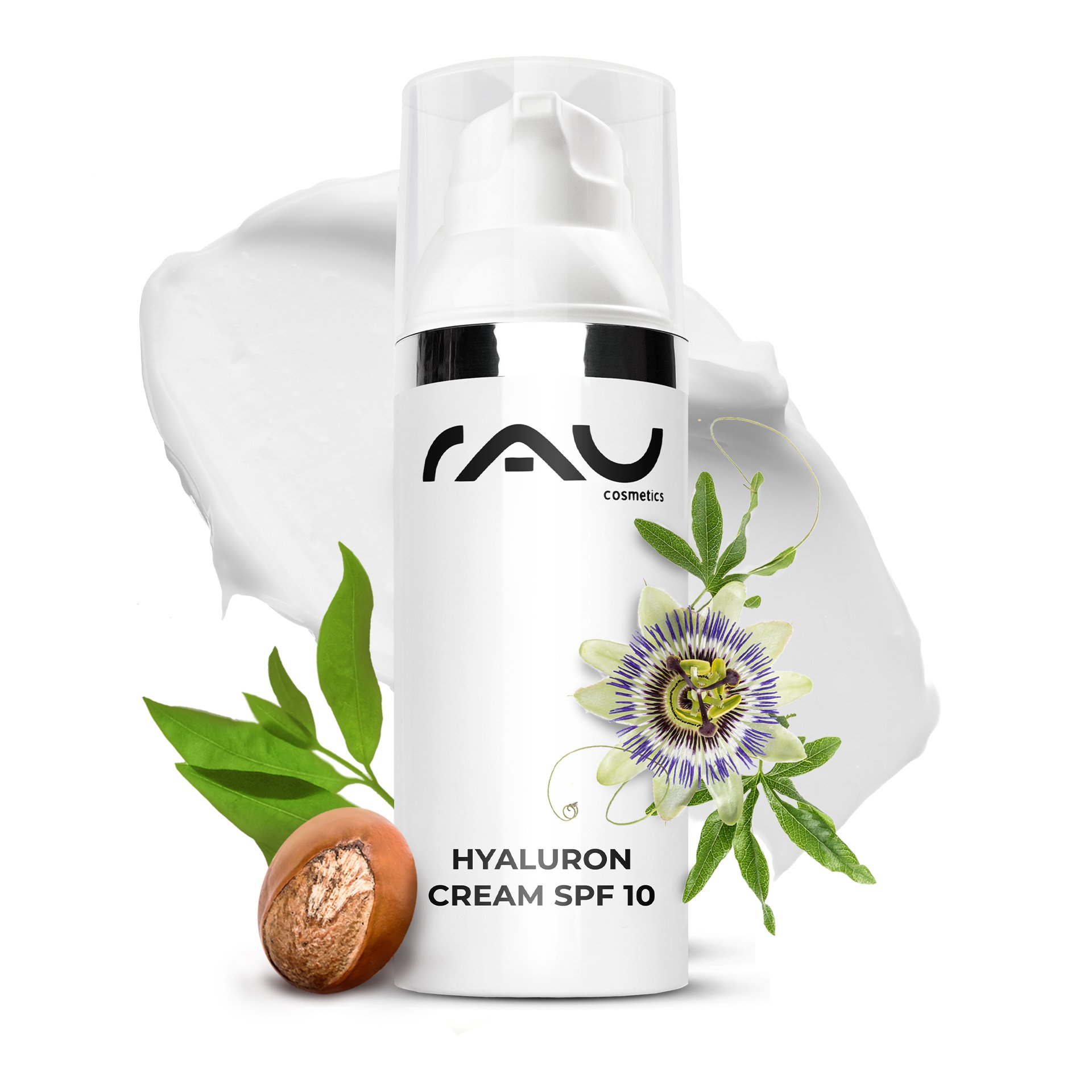
Content: 0.05 Liter ($800.40* / 1 Liter)


Content: 0.2 Liter ($486.15* / 1 Liter)
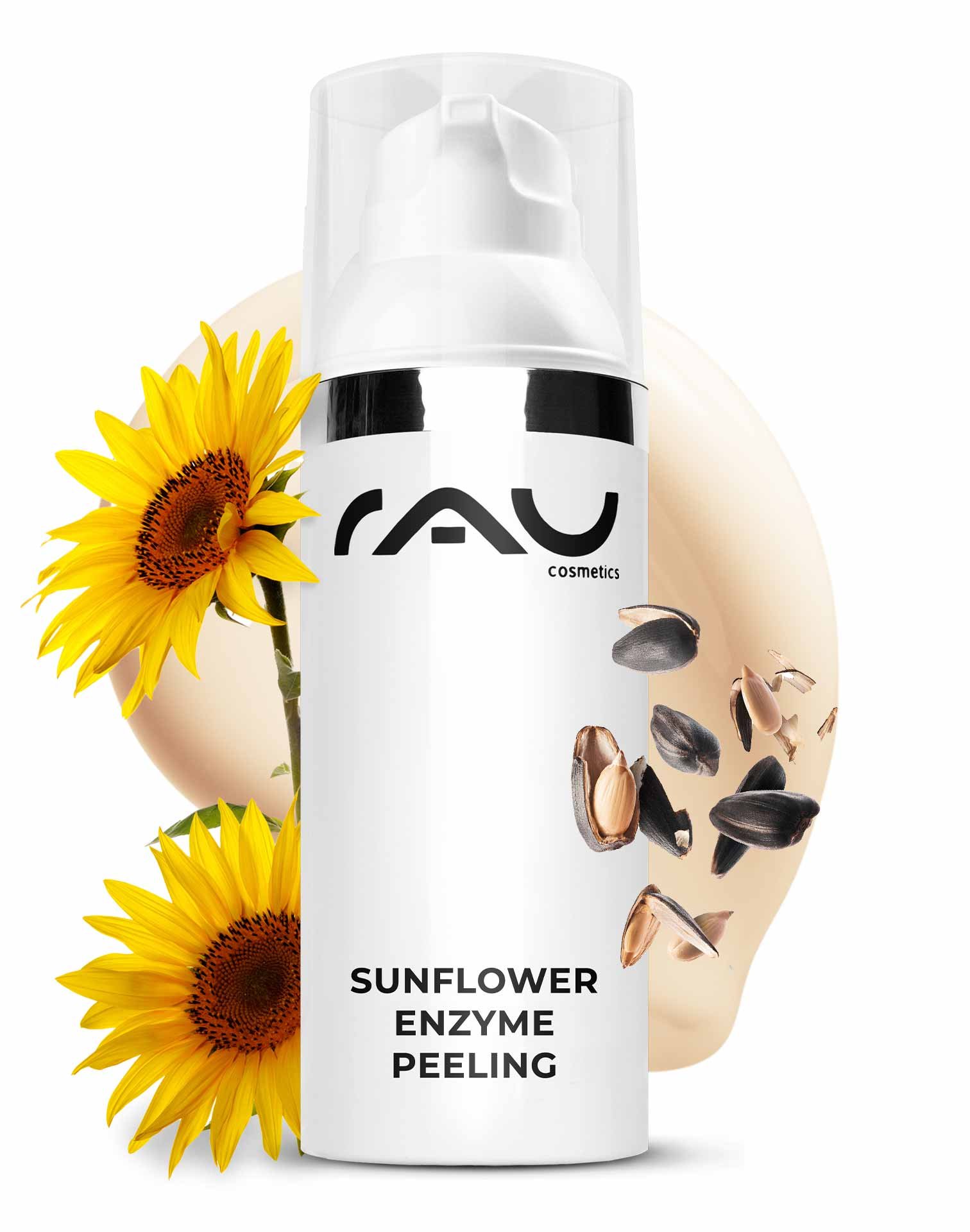
Content: 0.05 Liter ($519.40* / 1 Liter)
EMPFOHLEN FÜR RETINOL
RAU Cosmetics Retinol Serum Roll-On
Entwickelt für trockene & reife Haut — präzise Retinol-Anwendung mit Ceramid-Puffer.
4.78 / 5 · 211 Bewertungen
Zum Retinol SerumHäufige Fragen zu Retinol
Ab wann sieht man Ergebnisse mit Retinol Serum?
Erste Verbesserungen der Hauttextur nach 4 bis 6 Wochen. Anti-Aging-Effekte wie weniger Falten und mehr Festigkeit nach 12 bis 16 Wochen.
Kann ich Retinol Serum täglich anwenden?
Start mit 2x pro Woche abends — nach 4 Wochen auf 3 bis 4x steigern. Empfindliche Haut: 1x wöchentlich beginnen. Sonnenschutz am Folgetag ist Pflicht.
Retinol vs. Bakuchiol — was ist besser?
Retinol ist der klinisch am besten belegte Anti-Aging-Wirkstoff. Bakuchiol wirkt ähnlich, ist pflanzlich — ideal für Schwangere und sehr empfindliche Haut.