
BENZYL ALCOHOL
Aromatic alcohol (natural/synthetic)
BENZYL ALCOHOL is benzyl alcohol that occurs naturally in essential oils (jasmine, ylang-ylang, tuberose) and is also obtained synthetically from toluene. Learn everything about its origin, effect, and the best application in your daily care routine here.
viewBox="0 0 24 24" fill="none" width="32" height="32" aria-hidden="true">
Benzyl alcohol is a versatile ingredient with a dual function: it preserves water-containing cosmetics against microbial spoilage and simultaneously serves as a solubilizer for fragrances. Unlike drying alcohols such as ethanol, it belongs to the class of aromatic fatty alcohols and is therefore gentle on the skin. In nature, it occurs in essential oils of jasmine, ylang-ylang, and hyacinth — in cosmetics, the nature-identical synthetic variant is mostly used. Since the 1990s, benzyl alcohol has gained importance as a 'gentle' preservative as consumers increasingly avoid parabens. An interesting side effect: it possesses mild anesthetic properties, which is why it is used in anti-itch products.
viewBox="0 0 24 24" fill="none" width="32" height="32" aria-hidden="true">
Benzyl alcohol occurs naturally in essential oils (jasmine, ylang-ylang, tuberose) and is also obtained synthetically from toluene. In cosmetics, the nature-identical synthetic variant is mostly used because it is purer and more cost-efficient. In modern cosmetics, extraction and processing are subject to strict quality standards according to the EU Cosmetic Regulation (EC) No. 1223/2009. RAU Cosmetics only sources cosmetic-grade raw materials from certified suppliers.
viewBox="0 0 24 24" fill="none" width="32" height="32" aria-hidden="true">
Benzyl alcohol denatures bacterial and fungal proteins by destabilizing cell membranes and disrupting DNA synthesis. The antimicrobial effect arises from its ability to penetrate the lipid bilayer of microorganisms as a weak organic solvent. It is particularly effective against gram-positive bacteria and less so against gram-negative ones — therefore, it is mostly used in combination with other preservatives.
viewBox="0 0 24 24" fill="none" width="32" height="32" aria-hidden="true">
How it works on your skin
Antimicrobial Product Stability
Protects water-containing formulations from bacterial and fungal spoilage by disrupting the cell wall integrity of microorganisms. Extends the shelf life of creams, serums, and lotions by months. Especially important for products in jars that regularly come into contact with fingers.
Solubilizer for Fragrances
Acts as a co-solvent that makes lipophilic fragrance molecules soluble in aqueous phases. This ensures that perfume oils are evenly distributed in the formulation without the need for additional emulsifiers. Improves fragrance release and prevents phase separation.
Viscosity Reduction
Lowers the viscosity of viscous formulations through its alcoholic structure, improving spreadability. Makes thicker creams smoother without making the texture too watery. Optimizes the skin feel during application.
Local Anesthetic Property
Possesses a slight anesthetic effect that can temporarily alleviate itching from insect bites or irritated skin. It is therefore used in after-sun products and soothing gels. The effect arises from the temporary blocking of sodium channels in sensory nerves.
Who is it for?
Well tolerated with regular use; supports product stability without impairing the skin barrier.
Non-occlusive and leaves no greasy film, ideal for light formulations that should absorb quickly.
Unproblematic in well-formulated products, as it does not affect skin moisture in low concentrations.
In your routine
In the morning after cleansing
Apply products with benzyl alcohol (e.g., serums, toners) to the cleansed face. A pea-sized amount is sufficient for the face and neck.
Before applying sunscreen
Allow moisturizers containing benzyl alcohol to absorb for 2-3 minutes before applying sunscreen to ensure optimal product layering.
In the evening in the care routine
Can be easily combined with retinol, vitamin C, or AHA/BHA, as it is chemically inert and does not react with active ingredients.
For sensitive skin
Patch test recommended: Test new products for 24-48 hours on the inside of the forearm, as benzyl alcohol must be declared as an allergen at concentrations above 0.001%.
Frequently Asked Questions
Is benzyl alcohol harmful to the skin because it is an alcohol?
No, benzyl alcohol is NOT a drying alcohol like ethanol or isopropyl alcohol. It is an aromatic fatty alcohol with completely different properties. While short-chain alcohols (ethanol) can damage the skin barrier, benzyl alcohol is skin-friendly in cosmetic concentrations (below 1%) and is well tolerated by most people. The term 'alcohol' refers only to the chemical structure (OH group), not the effect.
Why is benzyl alcohol on the list of 26 allergens that must be declared?
Benzyl alcohol is a natural component of many essential oils and can cause reactions in people with fragrance allergies. The EU therefore requires separate declaration in the ingredient list starting at a concentration of 0.001% (in leave-on) or 0.01% (in rinse-off). This does NOT mean it is dangerous — only that allergy sufferers must be informed. The actual allergy rate is below 1% of the population.
Can benzyl alcohol preserve products without additional preservatives?
Only to a limited extent. Benzyl alcohol alone is usually not sufficient to meet the microbiological requirements of the EU Cosmetic Regulation because it is weaker against gram-negative bacteria and certain yeasts. Therefore, it is often combined with other preservatives (e.g., dehydroacetic acid, potassium sorbate). In combination, a broad antimicrobial spectrum is created with lower individual concentrations — the so-called 'hurdle concept' of preservation.
Is benzyl alcohol approved in natural cosmetics?
Yes, according to both COSMOS and NaTrue standards, provided it is obtained from natural sources or synthesized nature-identically. It is considered one of the few effective preservatives allowed in certified natural cosmetics. Many organic brands use benzyl alcohol as an alternative to synthetic parabens because it occurs in nature (e.g., in jasmine flowers) and is biodegradable.
Can benzyl alcohol be used for rosacea or couperose?
In principle, yes, as benzyl alcohol is not irritating or vasodilatory (vessel-expanding). Unlike ethanol, it does not trigger flush reactions. Nevertheless, people with rosacea should be careful with products that contain benzyl alcohol as a solvent for essential oils — as these oils themselves can be triggers. In pure moisturizers or serums (without fragrances), benzyl alcohol is generally problematic.
Discover the Power of BENZYL ALCOHOL
Find the right RAU Cosmetics product for your individual skin care routine.
Discover all active ingredients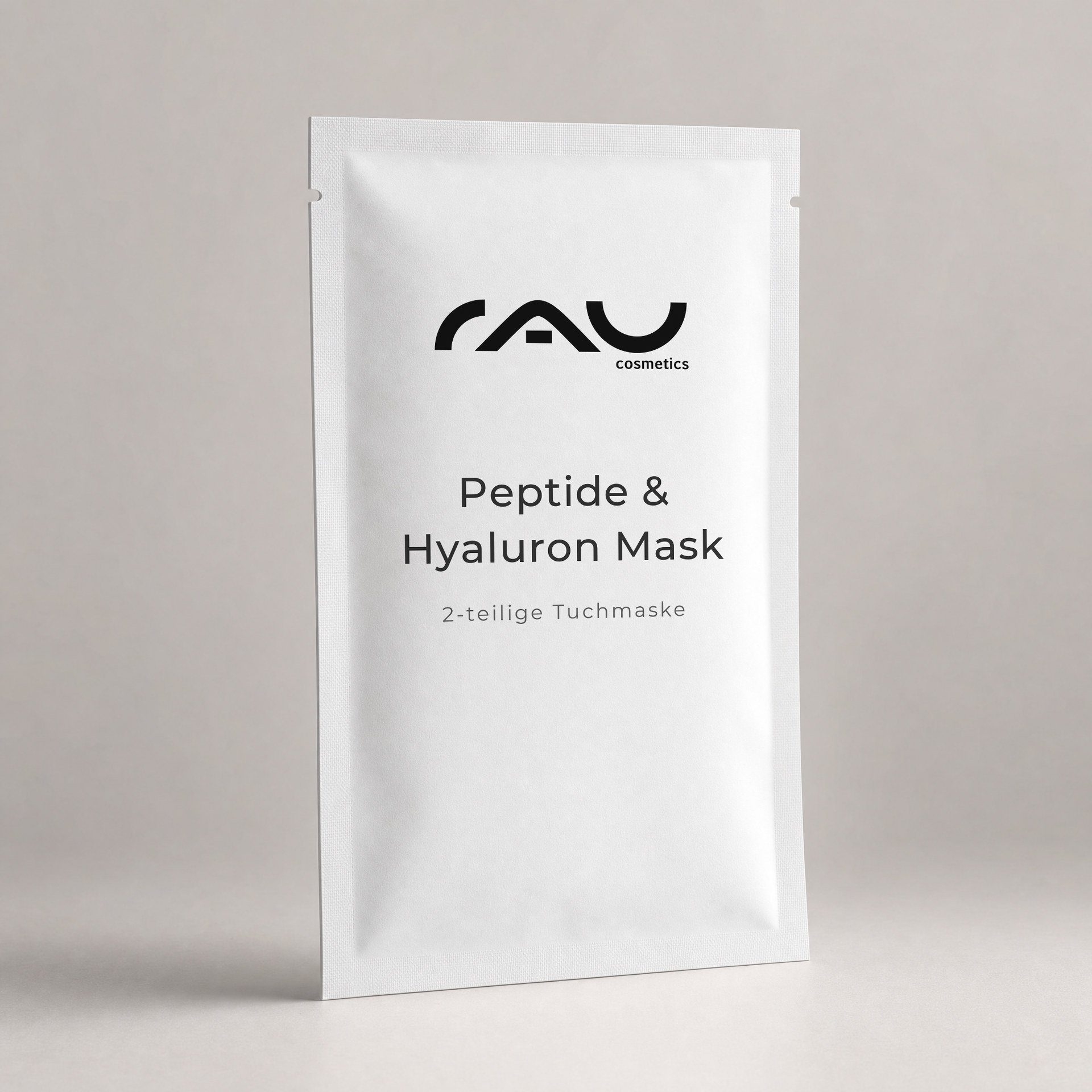
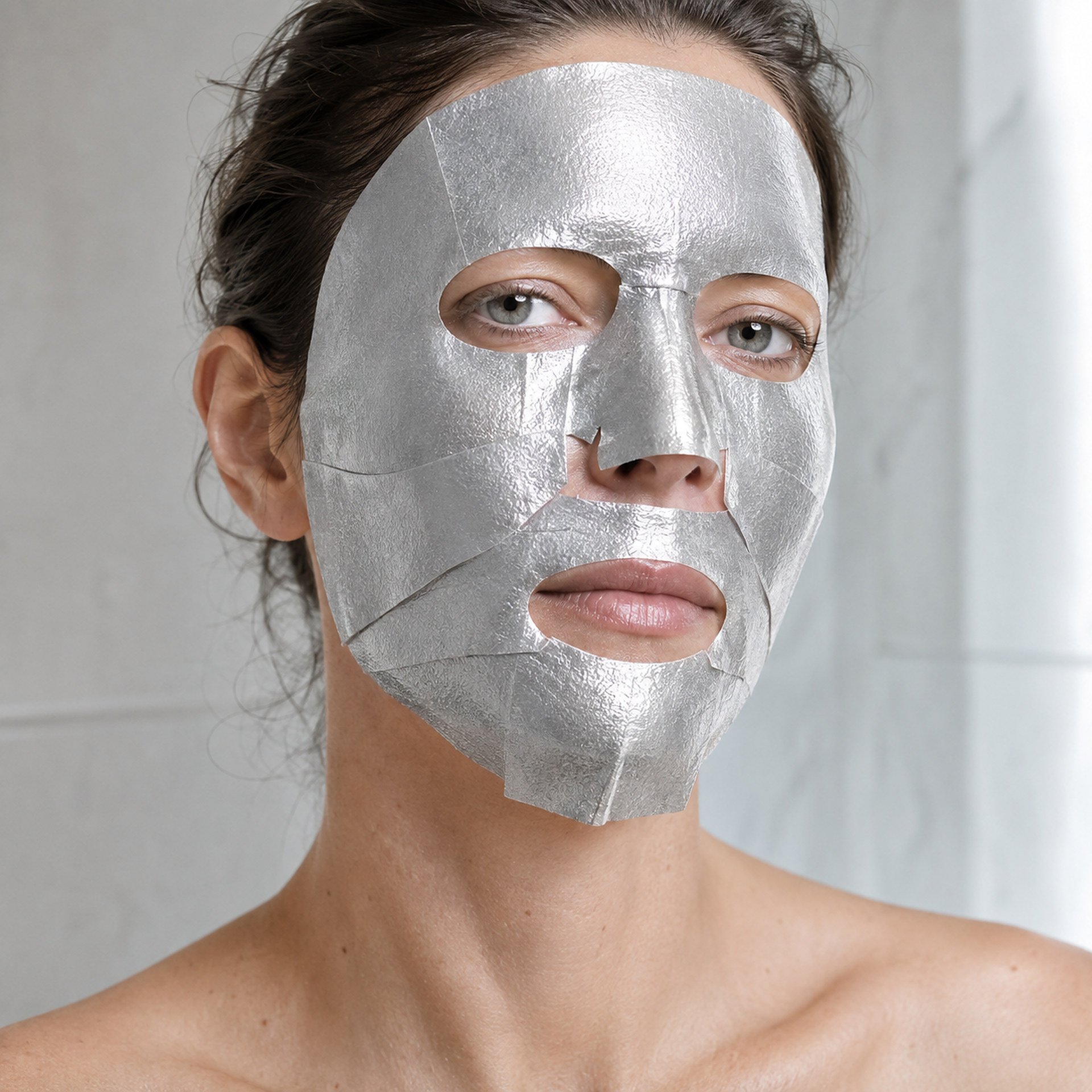
Content: 10 Stück ($7.52* / 1 Stück)
Content: 5 Stück ($8.61* / 1 Stück)
EMPFOHLEN FÜR RETINOL
RAU Cosmetics Retinol Serum Roll-On
Entwickelt für trockene & reife Haut — präzise Retinol-Anwendung mit Ceramid-Puffer.
4.78 / 5 · 211 Bewertungen
Zum Retinol SerumHäufige Fragen zu Retinol
Ab wann sieht man Ergebnisse mit Retinol Serum?
Erste Verbesserungen der Hauttextur nach 4 bis 6 Wochen. Anti-Aging-Effekte wie weniger Falten und mehr Festigkeit nach 12 bis 16 Wochen.
Kann ich Retinol Serum täglich anwenden?
Start mit 2x pro Woche abends — nach 4 Wochen auf 3 bis 4x steigern. Empfindliche Haut: 1x wöchentlich beginnen. Sonnenschutz am Folgetag ist Pflicht.
Retinol vs. Bakuchiol — was ist besser?
Retinol ist der klinisch am besten belegte Anti-Aging-Wirkstoff. Bakuchiol wirkt ähnlich, ist pflanzlich — ideal für Schwangere und sehr empfindliche Haut.