
ALPHA-ISOMETHYL IONONE
Synthetic Fragrance (Ionone Derivative)
ALPHA-ISOMETHYL IONONE is produced synthetically through chemical modification of ionones originally isolated from violets. Learn everything about its origin, effect, and the best application in your daily skincare routine here.
viewBox="0 0 24 24" fill="none" width="32" height="32" aria-hidden="true">
Alpha-Isomethyl Ionone is a synthetic fragrance from the ionone family, originally isolated from violets and now produced chemically. The substance imparts a characteristic floral-powdery scent note to cosmetic products with woody undertones, reminiscent of iris, lily of the valley, and classic powder perfumes. In skincare, it is primarily used as a masking agent to cover functional odors of active ingredients such as retinol or peptides. Due to its allergenic potential, Alpha-Isomethyl Ionone is one of the 26 fragrances subject to declaration under the EU Cosmetics Regulation and must be listed separately in the INCI list starting at very low concentrations.
viewBox="0 0 24 24" fill="none" width="32" height="32" aria-hidden="true">
It is produced synthetically through chemical modification of ionones originally isolated from violets (Viola odorata). The substance is created through methylation and isomerization, creating a more stable and cost-effective alternative to natural violet scent. In modern cosmetics, extraction and processing are subject to strict quality standards according to EU Cosmetics Regulation (EC) No. 1223/2009. RAU Cosmetics exclusively sources cosmetic-grade raw materials from verified suppliers.
viewBox="0 0 24 24" fill="none" width="32" height="32" aria-hidden="true">
Binds to olfactory receptors in the nasal mucosa and creates a floral-woody scent with a violet note. In cosmetic formulations, the substance acts as a masking agent that covers unpleasant inherent odors of other ingredients. Due to its lipophilic structure, it adheres well to the skin surface and ensures a long-lasting scent.
viewBox="0 0 24 24" fill="none" width="32" height="32" aria-hidden="true">
How it works on your skin
Fragrance Masking
Covers the characteristic inherent odor of functional ingredients such as niacinamide, peptides, or retinol. The violet note with woody undertones particularly neutralizes chemical or metallic scent notes. This significantly improves the sensory acceptance of highly concentrated active ingredient formulations.
Floral-Powdery Scent Note
Imparts a classic feminine scent character to products, reminiscent of iris, violet, and lily of the valley. The woody facets provide depth and prevent the scent from appearing too sweet. In perfumery, the note is often referred to as 'Powdery Floral' and is typical of elegant, timeless compositions.
Fragrance Fixation
Acts as a fragrance component with medium volatility (middle note), harmonizing the transition between volatile top notes and heavy base notes. The lipophilic structure enables good adhesion to the skin, making the scent perceptible for several hours.
Allergenic Potential (Warning)
Belongs to the 26 fragrances subject to declaration in the EU, as about 1-2% of the population are sensitized. Can trigger allergic contact dermatitis in predisposed individuals, especially with repeated exposure in leave-on products. Patch tests show reactions starting at 0.5% concentration in sensitized individuals.
Who is it for?
Can improve the floral-elegant scent character of care products, provided there is no fragrance sensitivity.
Masks functional odors of active ingredients such as retinol or peptides and contributes to the sensory product experience.
In your routine
Product selection for sensitivity
If you are prone to fragrance allergies or have already reacted to perfumes, avoid products with this ingredient completely. Pay attention to the INCI list — Alpha-Isomethyl Ionone must be declared from 0.001% in leave-on products.
Patch test before first use
Apply a small amount of the product to the inside of your forearm and wait 24-48 hours. In case of redness, itching, or burning, wash off immediately and do not use the product.
Application on intact skin
Avoid application on irritated, inflamed, or injured skin, as the penetration of the fragrance is increased and the risk of sensitization rises.
Combination with other fragrances
If you use several perfumed products (serum, cream, body lotion), the exposure adds up. In case of known sensitivity, reduce the number of perfumed products in your routine.
Frequently Asked Questions
Why is Alpha-Isomethyl Ionone listed separately in the INCI list even though 'Parfum' is also given?
Since the 7th amendment of the EU Cosmetics Directive (2003), 26 particularly common allergy-triggering fragrances must be declared separately, even if they are part of a perfume composition. Alpha-Isomethyl Ionone is one of them because about 1-2% of the population are sensitized to it. The declaration obligation applies from 0.001% in leave-on products (creams, serums) and from 0.01% in rinse-off products (shampoos, shower gels). This allows allergy sufferers to specifically avoid the substance.
Is Alpha-Isomethyl Ionone more dangerous than other fragrances?
Not generally more dangerous, but it is among the more common contact allergens among fragrances. In patch test studies, about 1-2% of tested persons react positively, which is in the medium range (for comparison: balsam of Peru approx. 3-5%, oakmoss up to 2%). The sensitization rate is dose-dependent — higher concentrations in leave-on products increase the risk. For non-sensitized persons, the substance is harmless when used normally.
Where does the typical 'powder scent' of Alpha-Isomethyl Ionone come from?
The powdery note arises from the specific molecular structure with a methyl group on the ionone ring. This configuration resembles the scent profile of iris root (orris) and violets, which naturally contain ionones. In the nose, the same olfactory receptors are activated as with natural iris extracts, which were traditionally used in powders. The woody undertone comes from the ketone function, which also occurs in cedarwood fragrances.
Can one become allergic to Alpha-Isomethyl Ionone even after years of use?
Yes, fragrance allergies can develop with a delay. Sensitization often occurs after repeated exposure over months or years — this is known as acquired contact sensitization of type IV (delayed type). Particularly risky is the combination of: frequent use, high concentration, damaged skin barrier (e.g., through retinoids or acids), and genetic predisposition. Once sensitized, the allergy usually remains for life.
Are there natural alternatives to Alpha-Isomethyl Ionone for violet scent?
Natural violet extracts (Viola odorata) contain the related substances alpha-ionone and beta-ionone, but are significantly more expensive and less stable. Iris root extract (orris) also provides a powdery note, but costs up to €50,000/kg and matures for 3-5 years. In 'Clean Beauty,' ionones from raspberry ketone fermentation are sometimes used; these are chemically similar and also potent allergens. A completely allergen-free alternative for this specific scent note does not exist.
Discover the Power of ALPHA-ISOMETHYL IONONE
Find the right RAU Cosmetics product for your individual skin care routine.
Discover all active ingredients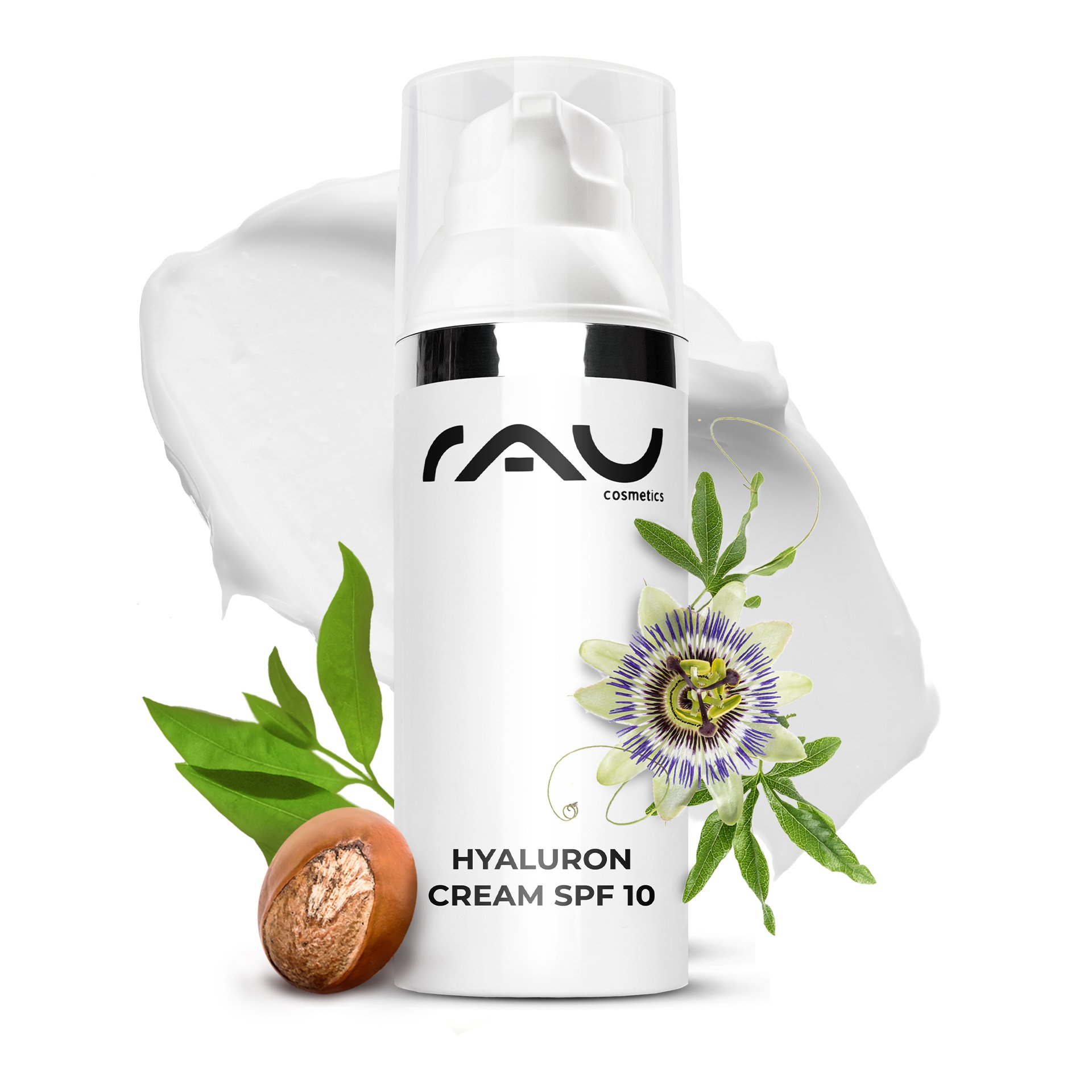
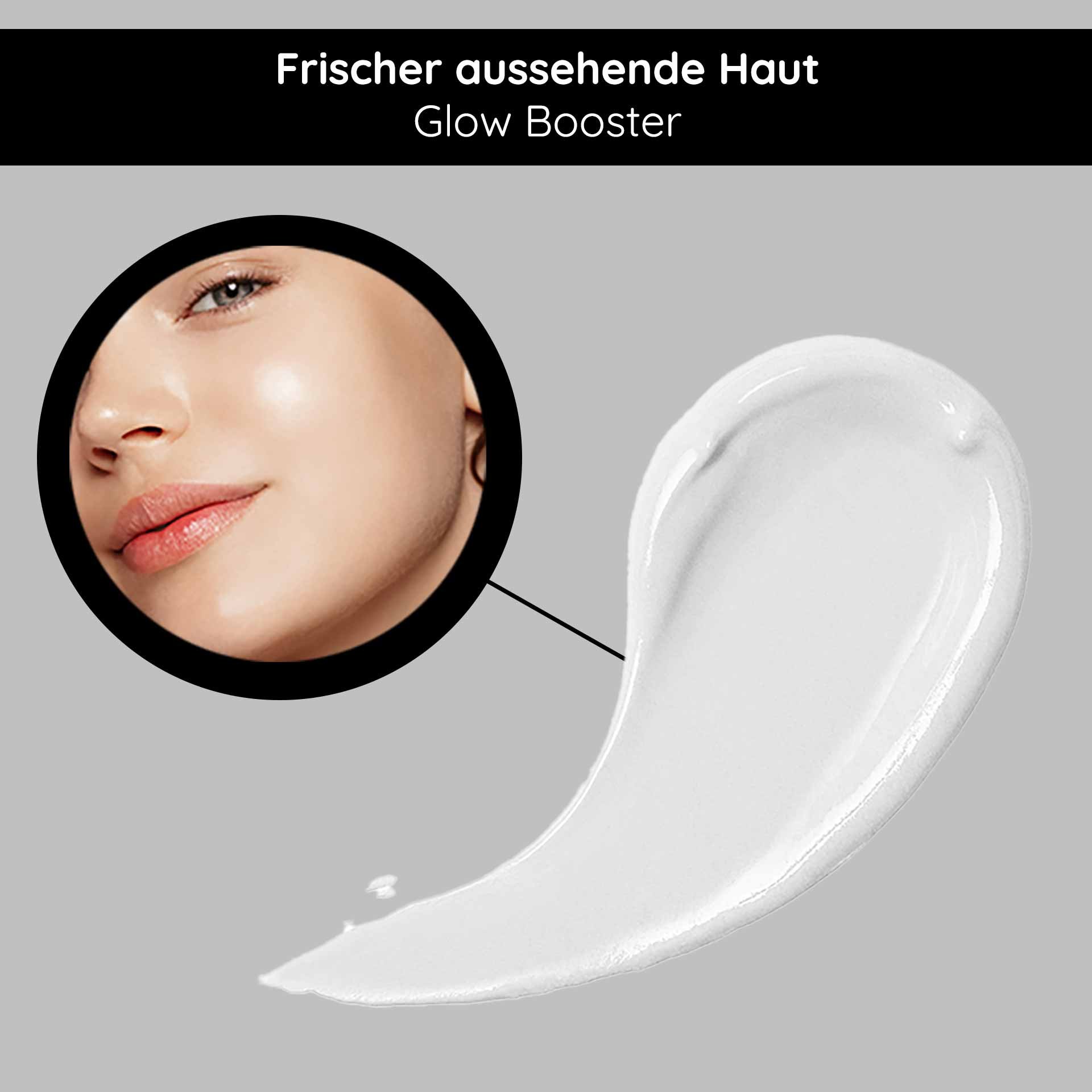
Content: 0.05 Liter ($800.40* / 1 Liter)
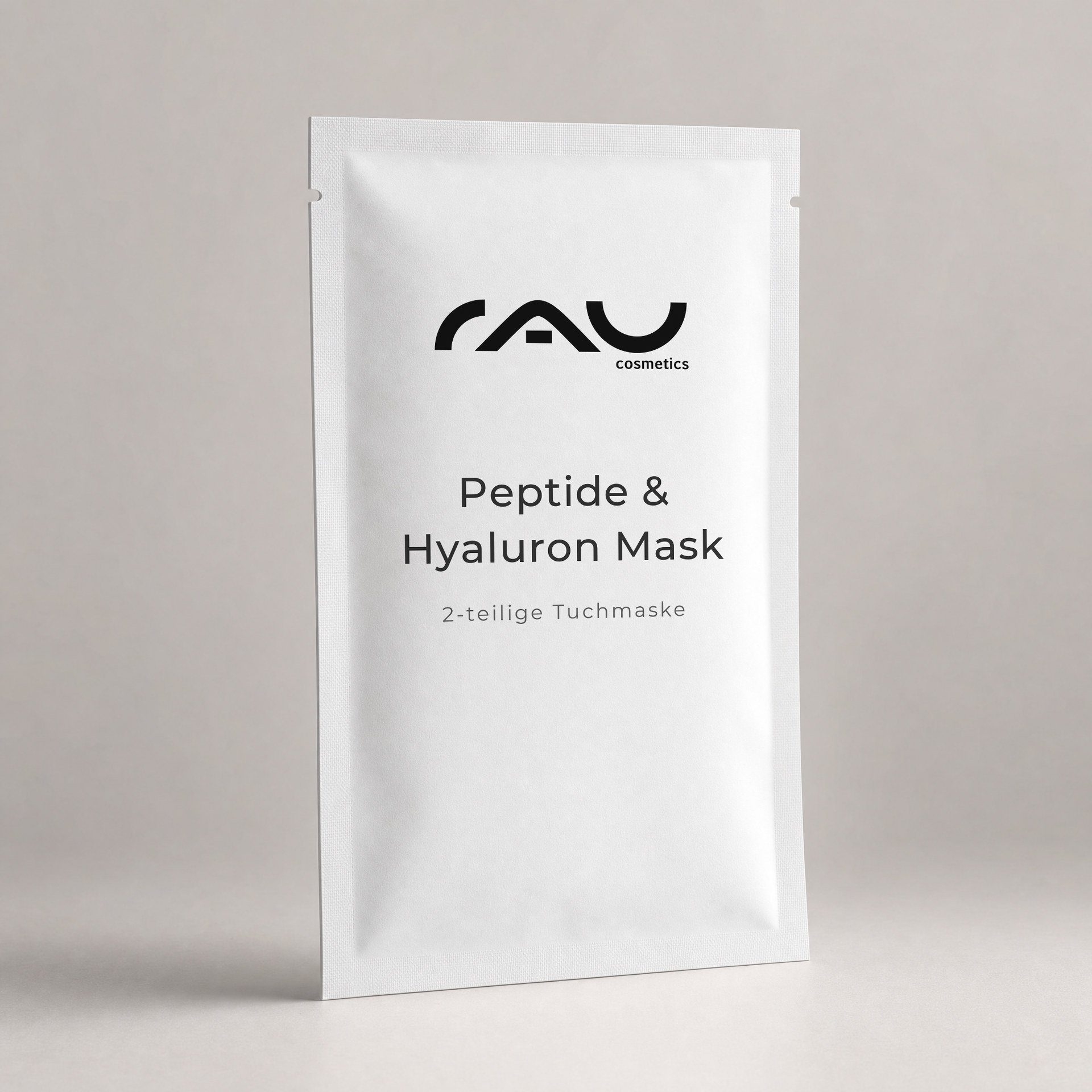
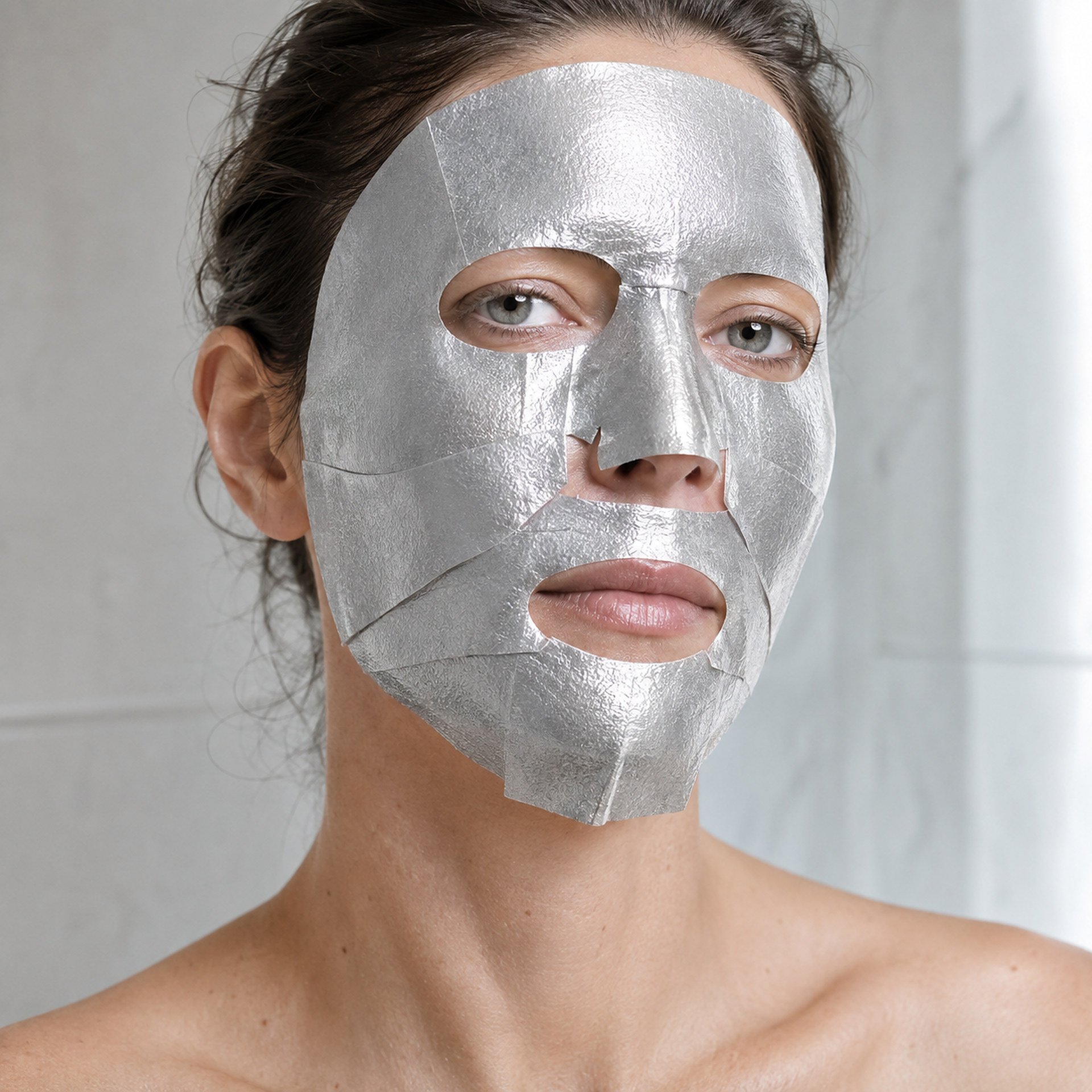
Content: 10 Stück ($7.52* / 1 Stück)
Content: 5 Stück ($8.61* / 1 Stück)
Content: 0.05 Liter ($900.80* / 1 Liter)
EMPFOHLEN FÜR RETINOL
RAU Cosmetics Retinol Serum Roll-On
Entwickelt für trockene & reife Haut — präzise Retinol-Anwendung mit Ceramid-Puffer.
4.78 / 5 · 211 Bewertungen
Zum Retinol SerumHäufige Fragen zu Retinol
Ab wann sieht man Ergebnisse mit Retinol Serum?
Erste Verbesserungen der Hauttextur nach 4 bis 6 Wochen. Anti-Aging-Effekte wie weniger Falten und mehr Festigkeit nach 12 bis 16 Wochen.
Kann ich Retinol Serum täglich anwenden?
Start mit 2x pro Woche abends — nach 4 Wochen auf 3 bis 4x steigern. Empfindliche Haut: 1x wöchentlich beginnen. Sonnenschutz am Folgetag ist Pflicht.
Retinol vs. Bakuchiol — was ist besser?
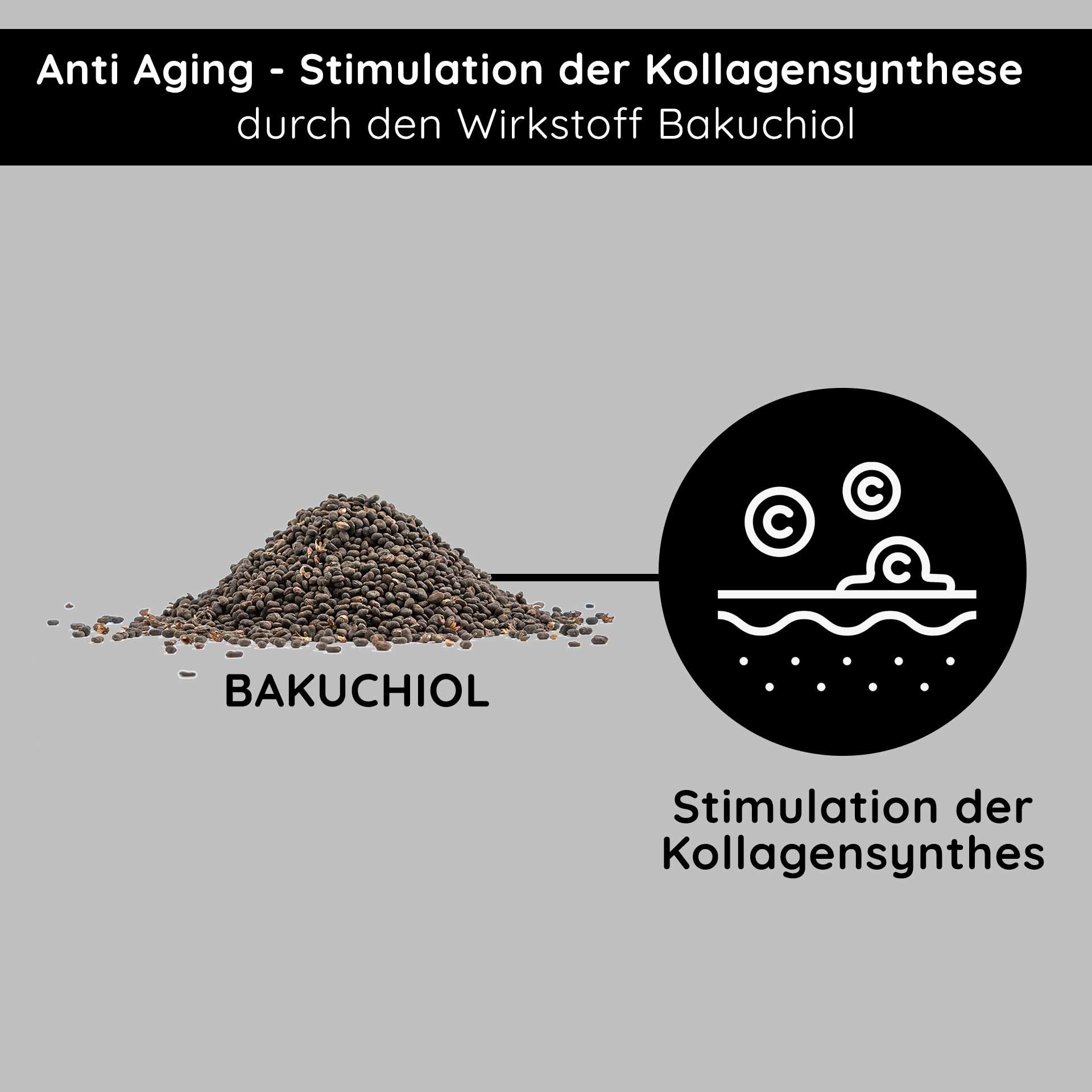
Retinol ist der klinisch am besten belegte Anti-Aging-Wirkstoff. Bakuchiol wirkt ähnlich, ist pflanzlich — ideal für Schwangere und sehr empfindliche Haut.