
ACRYLATES / C10-30 ALKYL ACRYLATE CROSSPOLYMER
Synthetic cross-linked acrylate copolymer
ACRYLATES / C10-30 ALKYL ACRYLATE CROSSPOLYMER is synthesized by chemical polymerization of acrylic acid and long-chain alkyl acrylates (C10-C30) followed by crosslinking. Learn everything about its origin, effect, and the best application in your daily care routine.
What is ACRYLATES / C10-30 ALKYL ACRYLATE CROSSPOLYMER?
ACRYLATES/C10-30 ALKYL ACRYLATE CROSSPOLYMER is a synthetic cross-linked copolymer that acts as the invisible architect behind luxurious textures in modern cosmetics. It is created by cross-linking acrylic acid with long-chain alkyl acrylates (C10-C30), forming a three-dimensional gel network. This polymer revolutionized the formulation of gel-creams in the 1990s because it allowed light, water-based textures to be combined with the silky skin feel of oils for the first time. The special feature lies in its amphiphilic structure: while the acrylate groups bind water, the long alkyl chains create compatibility with oils — a molecular balancing act that enables stable emulsions without aggressive emulsifiers. Mattifying in the T-zone, supple in dry areas — this polymer adapts to the skin like an intelligent material.
Where does ACRYLATES / C10-30 ALKYL ACRYLATE CROSSPOLYMER come from?
Synthesized by chemical polymerization of acrylic acid and long-chain alkyl acrylates (C10-C30) followed by crosslinking. The cross-linked structure forms a three-dimensional gel network that swells strongly in aqueous systems. In modern cosmetics, extraction and processing are subject to strict quality standards in accordance with the EU Cosmetics Regulation (EC) No. 1223/2009. RAU Cosmetics only sources cosmetic-quality raw materials from audited suppliers.
How does ACRYLATES / C10-30 ALKYL ACRYLATE CROSSPOLYMER work at the cellular level?
The cross-linked polymer absorbs water into its three-dimensional structure and swells strongly (up to 1000 times its dry volume). Through the long alkyl chains (C10-C30), a hydrophobic component is simultaneously introduced that can stabilize oily phases. In the formulation, it forms a transparent gel framework that increases viscosity without appearing heavy or sticky.
Dosage & Regulation
How it works on your skin
Texture Optimization
The cross-linked polymer network transforms aqueous solutions into silky, spreadable gels. The alkyl side chains (C10-C30) ensure a velvety finish instead of a sticky feeling. Produces a luxurious skin feel as if a cream is 'melting,' although it is a water-based formulation.
Emulsion Stabilization
Through its amphiphilic structure (hydrophilic acrylate groups + lipophilic alkyl chains), the polymer prevents the phase separation of oil and water. It forms a three-dimensional matrix that holds oil droplets in position. This enables stable emulsions with reduced emulsifier concentration.
Mattifying Effect
The gel structure scatters incident light diffusely instead of reflecting it, creating an optical soft-focus effect on the skin. Simultaneously, the polymer absorbs excess sebum and prevents shine formation for several hours.
Active Ingredient Release
The polymer network functions as a depot system: water-soluble active ingredients are embedded in the swollen matrix and released gradually over several hours. This extends the contact time between active ingredient and skin, thereby improving penetration.
Film Formation
After application, the dried polymer forms an ultra-thin, breathable film on the skin surface. This film optically smoothes bumps and pores without occluding. Acts like an invisible primer that improves makeup adhesion.
Who is it for?
Creates a matte, non-greasy skin feel through the special gel structure that reduces oil shine.
Stabilizes light textures that mattify the T-zone without drying out dry areas.
Enables gentle, non-irritating formulations without aggressive emulsifiers.
In your routine
Serum Phase
Optimal in aqueous serums (0.3-0.5%) applied to damp skin after cleansing. The polymer swells with skin moisture and forms a uniform depot layer.
Gel Creams
In oil-in-water emulsions (0.5-1%) for light day creams. A pea-sized amount is sufficient – the polymer significantly enhances the spreadability feel.
Primer/Mattifying
As a makeup base (1-2%) directly after moisturizing care. Allow to work for about 30 seconds so that the mattifying film can form.
After-Sun Care
In cooling after-sun gels (0.5-1%), as the polymer creates a pleasant cooling sensation through rapid water evaporation from the gel matrix.
Frequently Asked Questions
Why do products with this polymer feel so different from classic creams?
The cross-linked polymer forms a three-dimensional gel structure that is fundamentally different from classic emulsifiers. Instead of enveloping oil droplets with surfactant molecules, a physical network is built here that absorbs water like a sponge. This network 'collapses' upon application and leaves a silky, almost weightless feeling – as if the formulation 'disappears,' while classic emulsions form a film.
Is this polymer biodegradable or does it pollute the environment?
Cross-linked acrylate polymers are poorly biodegradable because the crosslinks are chemically very stable. They are partially retained in wastewater treatment plants but can enter water bodies as microplastics. Unlike microbeads, however, they are not consciously used as abrasives but are functional components of the formulation in very low concentrations (usually <1%).
Can this polymer trigger allergic reactions?
Cross-linked acrylate polymers are considered very well tolerated as they cannot penetrate the skin due to their high molecular mass (>1000 kDa). However, residual monomers (non-crosslinked acrylic acid) can cause sensitization. High-quality cosmetic grades have a residual monomer content <0.1%, which is why reactions are extremely rare. Caution should be exercised if an acrylate allergy (e.g., from nail glue) is known.
Why is this polymer often combined with neutralizing agents?
The polymer is supplied as an acidic form (carboxyl groups -COOH) and must be neutralized (pH 5-7) for maximum swelling. In this process, the -COOH are deprotonated to -COO⁻, creating electrostatic repulsion in the polymer network. This repulsion causes the network to expand – the higher the pH (up to ~7), the stronger the swelling. This is why formulations often contain triethanolamine or sodium hydroxide.
Does the effect differ with different alkyl chain lengths (C10 vs C30)?
Yes, significantly. Short chains (C10-C12) increase compatibility with polar phases and create lighter gels. Long chains (C20-C30) strengthen the lipophilic component, allowing the polymer to interact better with oils and resulting in a velvety, almost powdery-matte finish. The 'C10-30' mixture is a compromise that balances both properties – ideal for hybrid formulations between gel and cream.
Discover the Power of ACRYLATES / C10-30 ALKYL ACRYLATE CROSSPOLYMER
Find the right RAU Cosmetics product for your individual skin care routine.
Discover all active ingredients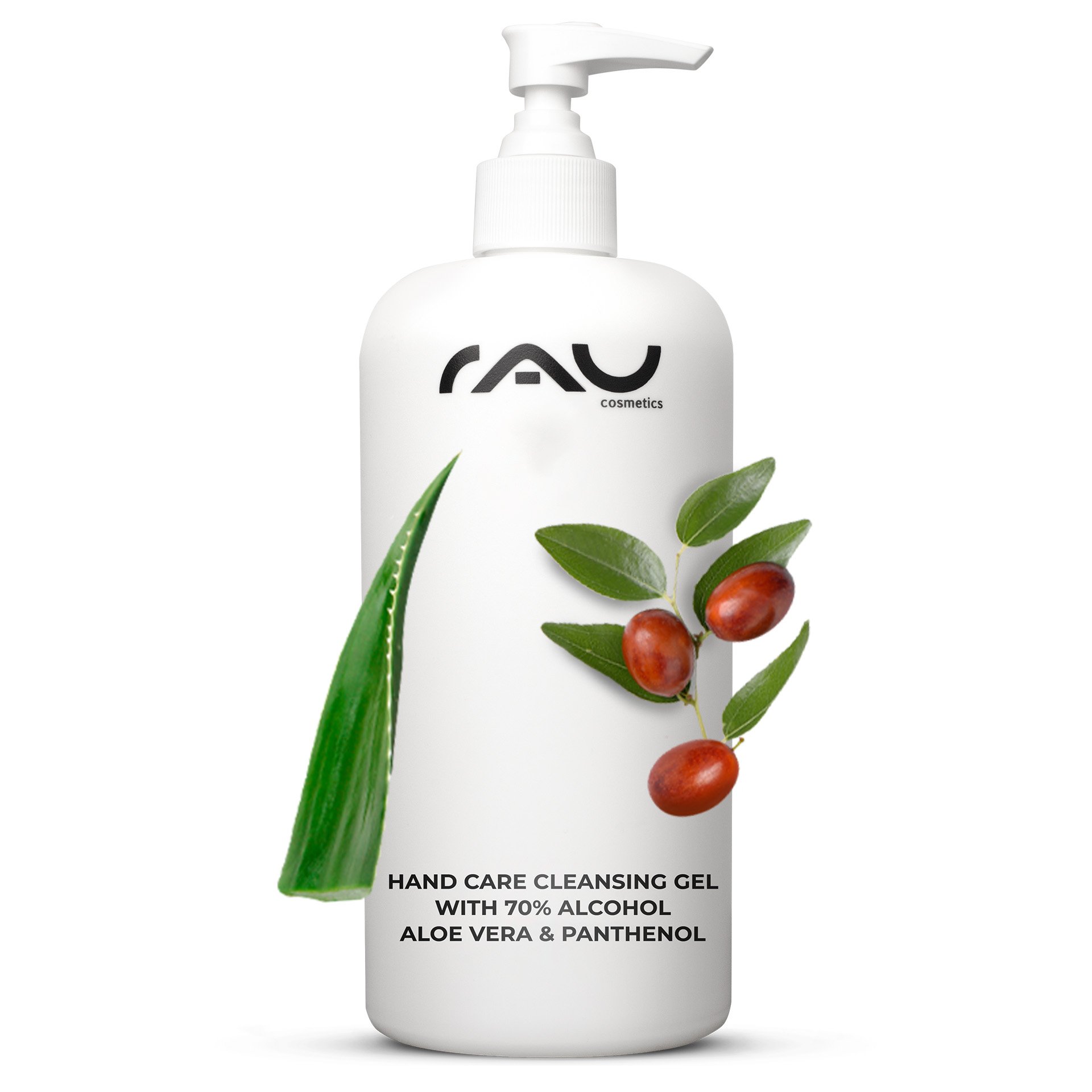
Content: 0.5 Liter ($30.10* / 1 Liter)
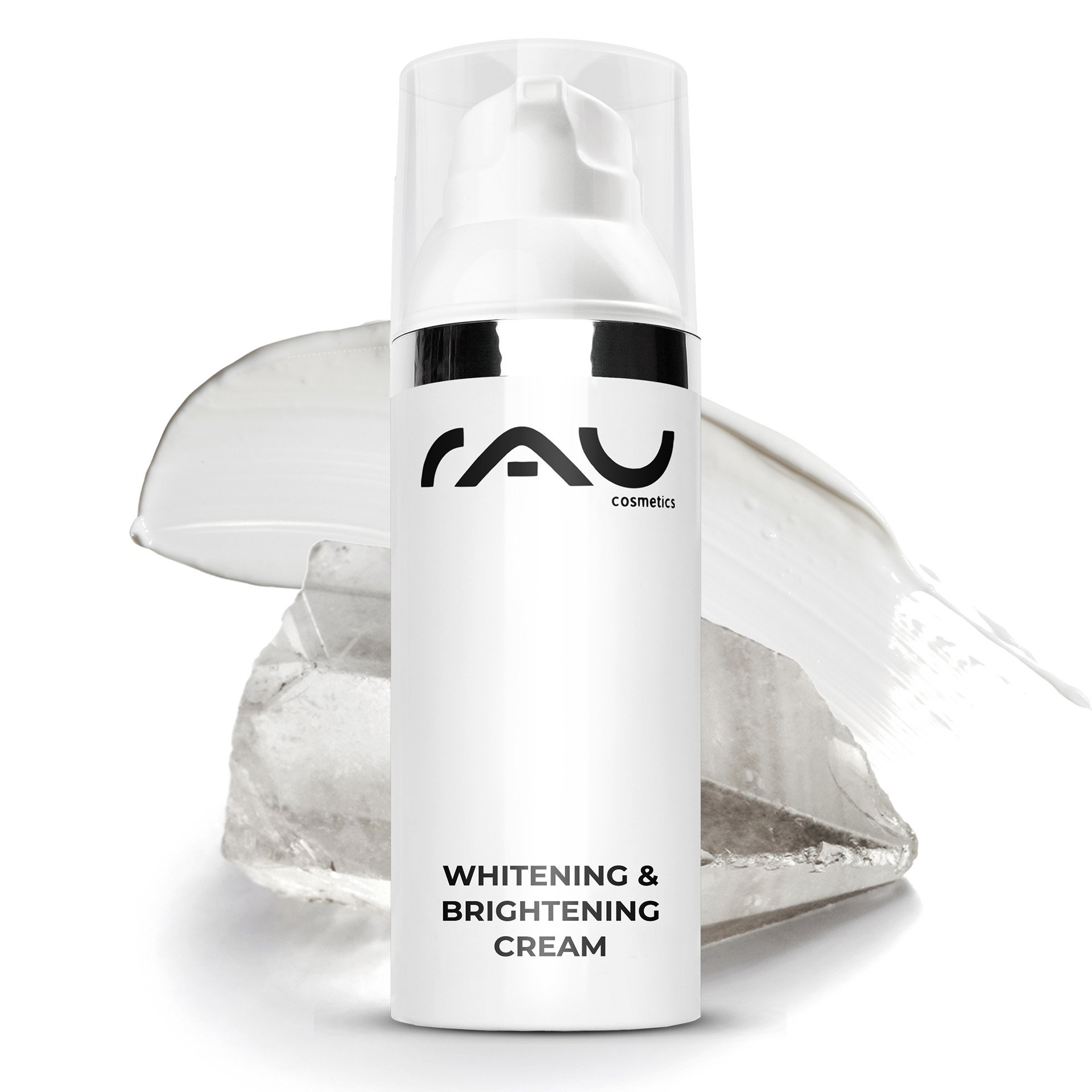
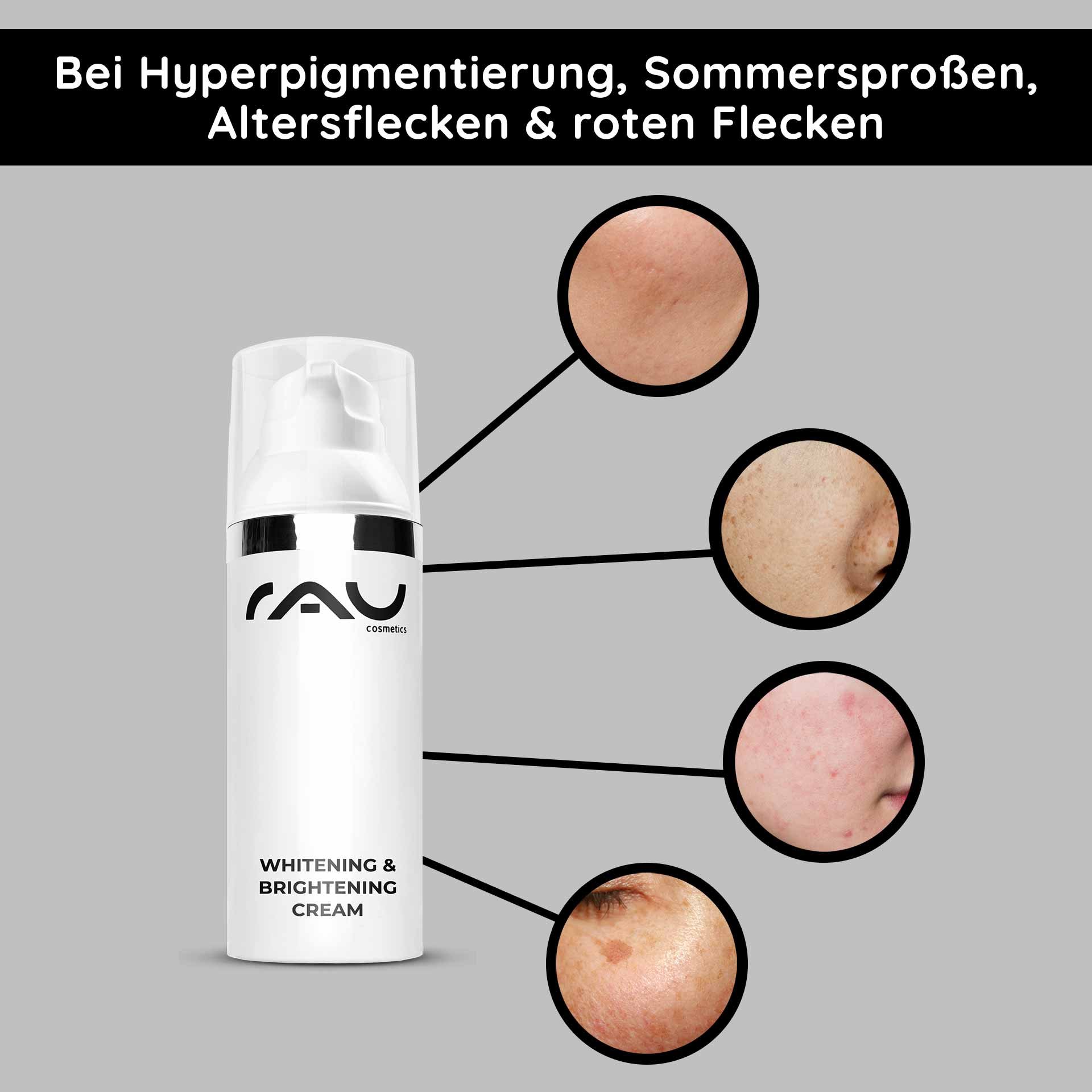
Content: 0.05 Liter ($780.40* / 1 Liter)
EMPFOHLEN FÜR RETINOL
RAU Cosmetics Retinol Serum Roll-On
Entwickelt für trockene & reife Haut — präzise Retinol-Anwendung mit Ceramid-Puffer.
4.78 / 5 · 211 Bewertungen
Zum Retinol SerumHäufige Fragen zu Retinol
Ab wann sieht man Ergebnisse mit Retinol Serum?
Erste Verbesserungen der Hauttextur nach 4 bis 6 Wochen. Anti-Aging-Effekte wie weniger Falten und mehr Festigkeit nach 12 bis 16 Wochen.
Kann ich Retinol Serum täglich anwenden?
Start mit 2x pro Woche abends — nach 4 Wochen auf 3 bis 4x steigern. Empfindliche Haut: 1x wöchentlich beginnen. Sonnenschutz am Folgetag ist Pflicht.
Retinol vs. Bakuchiol — was ist besser?
Retinol ist der klinisch am besten belegte Anti-Aging-Wirkstoff. Bakuchiol wirkt ähnlich, ist pflanzlich — ideal für Schwangere und sehr empfindliche Haut.