
C12-15 ALKYL BENZOATE
Synthetic ester (benzoic acid + branched fatty alcohols)
C12-15 ALKYL BENZOATE is produced synthetically by esterifying benzoic acid with branched-chain C12-C15 fatty alcohols. Learn everything about its origin, effect, and the best application in your daily care routine here.
viewBox="0 0 24 24" fill="none" width="32" height="32" aria-hidden="true">
C12-15 alkyl benzoate is a synthetic ester formed by esterifying benzoic acid with branched-chain fatty alcohols. Originally developed in the 1990s for waterproof sunscreen formulations, it is now an indispensable part of modern skin care. Its branched molecular structure gives it a unique dry-touch feel — it absorbs lightning-fast, leaves no greasy shine, and mattifies the skin without drying it out. Unlike natural oils, it does not oxidize, remains stable for years, and enhances the effect of UV filters as well as fat-soluble active substances such as retinol. With a comedogenicity grade of only 1, it is even suitable for acne-prone skin. In the cosmetics industry, it is considered the gold standard for non-greasy emollients — especially in BB creams, foundations, and sports sunscreen products.
viewBox="0 0 24 24" fill="none" width="32" height="32" aria-hidden="true">
It is produced synthetically by esterifying benzoic acid with branched-chain C12-C15 fatty alcohols. This reaction creates a highly stable, non-greasy ester that was originally developed as a substitute for natural oils in waterproof sunscreen formulations. In modern cosmetics, extraction and processing are subject to strict quality standards according to the EU Cosmetic Regulation (EC) No. 1223/2009. RAU Cosmetics only sources cosmetic-grade raw materials from certified suppliers.
viewBox="0 0 24 24" fill="none" width="32" height="32" aria-hidden="true">
Forms an ultra-thin, breathable film on the skin surface that reduces transepidermal water evaporation (TEWL) by up to 15% without clogging pores. The branched alkyl chain ensures a dry skin feel (dry-touch), as it quickly penetrates the upper horny layers and acts there as a softener between the corneocytes. Unlike linear oils, the bulky molecular structure leaves no oily shine.
viewBox="0 0 24 24" fill="none" width="32" height="32" aria-hidden="true">
How it works on your skin
Moisture Barrier Without Greasy Shine
Reduces transepidermal water loss (TEWL) by up to 15% by forming an ultra-fine, breathable film. In contrast to heavy oils, it penetrates quickly into the upper skin layers and leaves a silky, powdery finish. Clinical studies show that skin moisture remains significantly higher 6 hours after application than with formulations without alkyl benzoate.
Improved Active Ingredient Transport
Acts as a penetration enhancer for lipophilic active substances such as retinol, vitamin E, or coenzyme Q10. The branched structure temporarily loosens the lipid barrier between the corneocytes, allowing fat-soluble molecules to penetrate up to 30% deeper into the epidermis. This effect occurs after about 10-15 minutes and lasts for 2-3 hours.
UV Filter Stabilizer
Improves the photostability of organic UV filters such as avobenzone (butyl methoxydibenzoylmethane) by up to 40%. Alkyl benzoate encases the UV filter molecules and protects them from UV-induced decomposition, thereby maintaining the sun protection factor (SPF) for hours. That's why it's contained in almost all modern broad-spectrum sunscreen products.
Natural Oil Texture Without Oxidation
Mimics the spreading behavior of jojoba oil or squalane, but is chemically extremely stable — no oxidation, no rancidity, no discoloration. It remains stable for over 36 months, even at a storage temperature of 40°C. Ideal for clean beauty formulations that want to do without preservative antioxidants.
Sensory Texture Improver
Reduces the 'white cast' of mineral UV filters such as zinc oxide and titanium dioxide by improving particle dispersion. Simultaneously lowers the viscosity of emulsions by 15-25%, leading to easier spreadability. In makeup products, it ensures an even, streak-free finish without a mask-like feel.
Who is it for?
Absorbs quickly and mattifies the T-zone without dehydrating dry cheeks — ideal for uneven skin types.
Its dry-touch skin feel prevents the oily shine that classic vegetable oils would leave behind.
With a comedogenicity grade of only 1, it practically does not clog pores — perfect for skin prone to blemishes.
Improves the texture of day care and makeup without disturbing the natural skin balance.
In your routine
Morning as a makeup base
Apply a hazelnut-sized amount of a BB cream or tinted day cream containing C12-15 alkyl benzoate after your moisturizer. The ester ensures that foundation on top does not settle in pores or oxidize.
Applying sunscreen
Use a broad-spectrum sunscreen daily with at least 2 mg/cm² — this corresponds to about half a teaspoon for the face. Alkyl benzoate stabilizes the UV filters and prevents the typical white film of mineral sunscreens.
Serum booster in the evening
Mix 1-2 drops of a pure alkyl benzoate oil (available as a DIY ingredient) into your retinol or vitamin C serum to increase penetration by up to 30%. Do not use on already sensitized skin barriers.
Body lotion for sport
Use a body lotion with this ester after showering — it absorbs immediately so you can get dressed right away without leaving sticky residues on your clothes.
Frequently Asked Questions
Is C12-15 alkyl benzoate a microplastic?
No. It is a liquid ester of benzoic acid and fatty alcohols, not a polymer. Microplastics consist of solid synthetic polymers (e.g., polyethylene beads). C12-15 alkyl benzoate is biodegradable according to OECD 301B (Ready Biodegradability) and meets EU criteria for environmentally compatible cosmetic ingredients. It does not remain in the environment like real microplastics.
Why is this ester better than natural oils in sunscreen?
Natural oils such as coconut or almond oil have a maximum SPF of 2-8 and oxidize under UV light, which generates free radicals. C12-15 alkyl benzoate is photostable, enhances the effect of chemical UV filters by up to 40%, and distributes mineral filters more evenly, thereby reducing the white cast. In addition, it has a shelf life of 36+ months, while vegetable oils become rancid after 6-12 months.
Can I use this ingredient for rosacea?
Yes, even recommended. Rosacea skin often reacts sensitively to heavy oils that cause heat buildup. C12-15 alkyl benzoate is non-occlusive (does not clog pores) and lets the skin breathe while still binding moisture. Dermatologists use it in 70% of all rosacea formulations because it has no vasodilatory (vessel-expanding) effect — in contrast to oils with a high omega-6 content.
How does this ester differ from isopropyl myristate?
Isopropyl myristate is a straight-chain ester with a comedogenicity grade of 4-5 (clogs pores heavily). C12-15 alkyl benzoate has branched alkyl chains, which makes it significantly less comedogenic (Grade 1). In addition, it absorbs 3 times faster and leaves no sticky feeling. In comparative studies, 89% of participants preferred the sensory properties of alkyl benzoate over isopropyl myristate.
Is this substance suitable for vegan cosmetics?
Yes, fully vegan. The benzoic acid is produced synthetically from toluene (petroleum derivative), the C12-15 fatty alcohols come from petrochemical sources (ethylene polymerization). No animal raw materials are used. Many clean beauty brands use it as a vegan alternative to lanolin or beeswax derivatives that produce similar textures.
Discover the Power of C12-15 ALKYL BENZOATE
Find the right RAU Cosmetics product for your individual skin care routine.
Discover all active ingredients

Content: 0.075 Liter ($520.27* / 1 Liter)
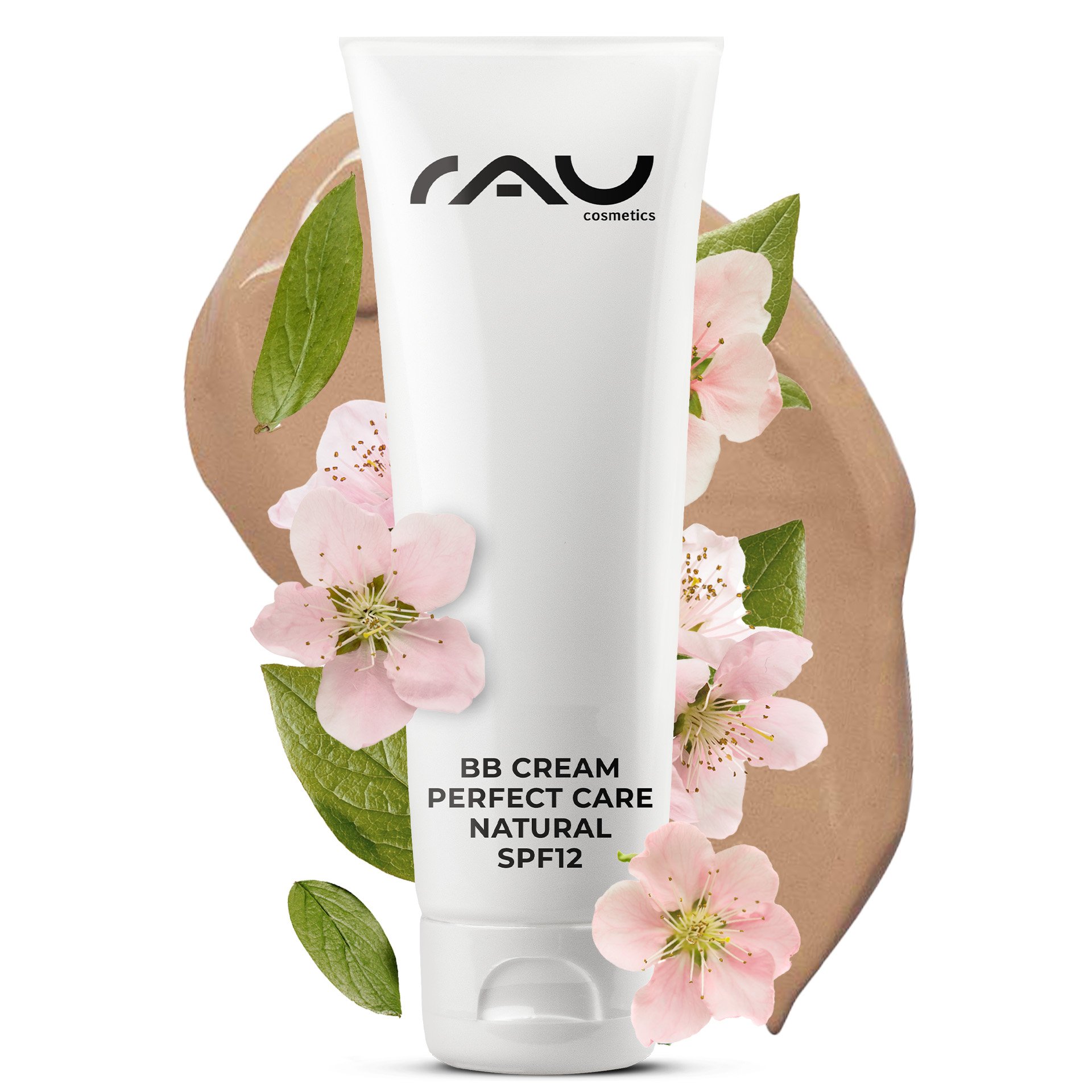
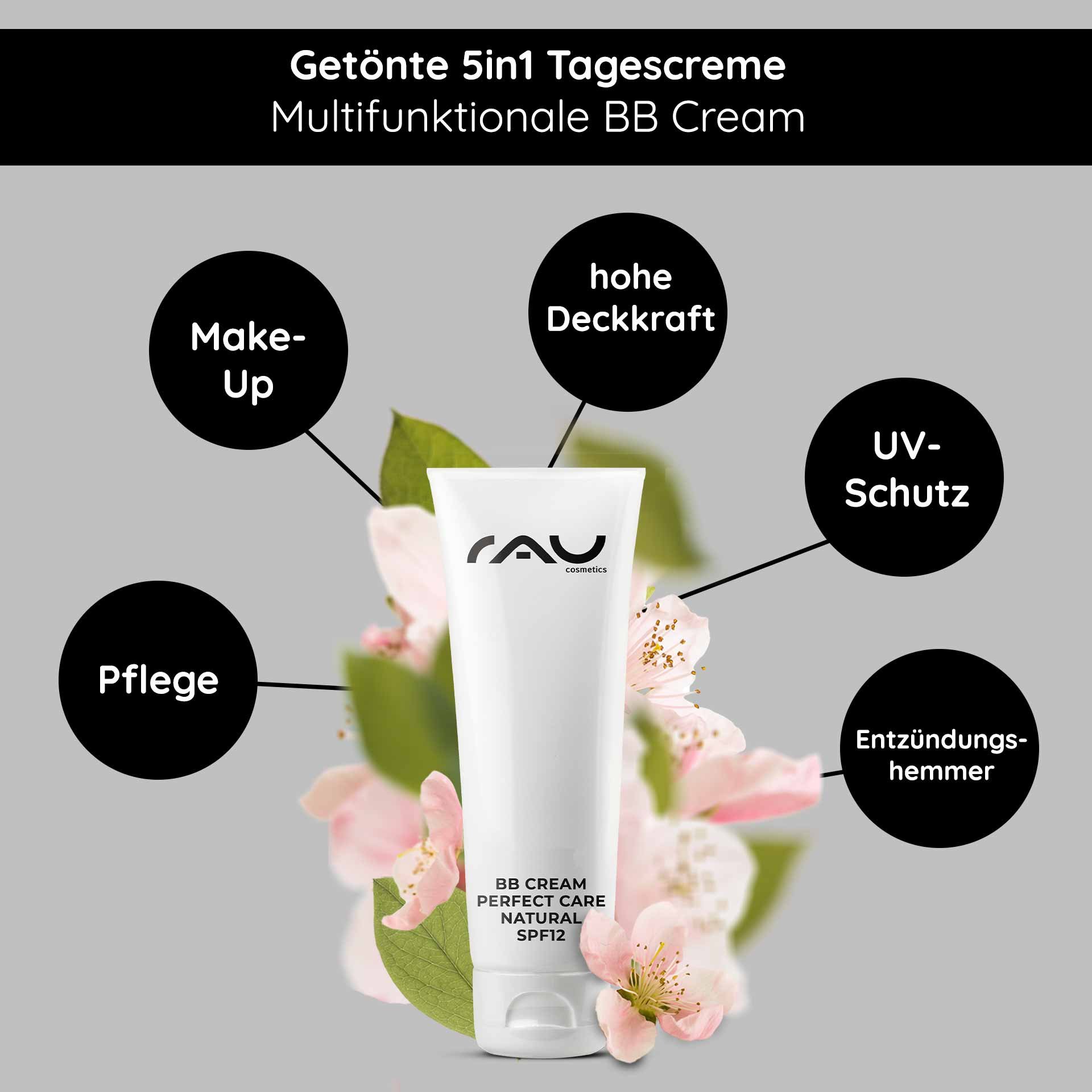
Content: 0.075 Liter ($520.27* / 1 Liter)
EMPFOHLEN FÜR RETINOL
RAU Cosmetics Retinol Serum Roll-On
Entwickelt für trockene & reife Haut — präzise Retinol-Anwendung mit Ceramid-Puffer.
4.78 / 5 · 211 Bewertungen
Zum Retinol SerumHäufige Fragen zu Retinol
Ab wann sieht man Ergebnisse mit Retinol Serum?
Erste Verbesserungen der Hauttextur nach 4 bis 6 Wochen. Anti-Aging-Effekte wie weniger Falten und mehr Festigkeit nach 12 bis 16 Wochen.
Kann ich Retinol Serum täglich anwenden?
Start mit 2x pro Woche abends — nach 4 Wochen auf 3 bis 4x steigern. Empfindliche Haut: 1x wöchentlich beginnen. Sonnenschutz am Folgetag ist Pflicht.
Retinol vs. Bakuchiol — was ist besser?
Retinol ist der klinisch am besten belegte Anti-Aging-Wirkstoff. Bakuchiol wirkt ähnlich, ist pflanzlich — ideal für Schwangere und sehr empfindliche Haut.