
BENZOIC ACID
Organic Carboxylic Acid (Naturally Occurring)
BENZOIC ACID occurs naturally in many plants (cranberries, plums, cinnamon, cloves) and is also produced through bacterial fermentation. Learn everything about its origin, effect, and the best application in your daily skincare routine here.
viewBox="0 0 24 24" fill="none" width="32" height="32" aria-hidden="true">
Benzoic acid (INCI: BENZOIC ACID) is an aromatic carboxylic acid that occurs naturally in numerous plants such as cranberries, plums, cinnamon, and cloves. In cosmetics, it has served as a classic preservative for over 100 years, being particularly effective against yeasts and molds. Its antimicrobial activity is strongly pH-dependent: in the acidic range (pH 3-5), it exists in its effective, undissociated form and can penetrate the cell membranes of microorganisms. A major advantage of benzoic acid is its natural degradation pathway in the human body – it is conjugated to hippuric acid and excreted, which distinguishes it from many purely synthetic preservatives. In modern formulations, it is often combined with other preservatives to achieve a broad spectrum of activity at lower overall concentrations.
viewBox="0 0 24 24" fill="none" width="32" height="32" aria-hidden="true">
Benzoic acid occurs naturally in many plants (cranberries, plums, cinnamon, cloves) and is also produced by bacterial fermentation. Industrially, it is produced by catalytic oxidation of toluene or obtained from benzaldehyde. In modern cosmetics, extraction and processing are subject to strict quality standards according to EU Cosmetics Regulation (EC) No. 1223/2009. RAU Cosmetics exclusively sources cosmetic-grade raw materials from verified suppliers.
viewBox="0 0 24 24" fill="none" width="32" height="32" aria-hidden="true">
Benzoic acid acts antimicrobially by penetrating the cell membrane of microorganisms in undissociated form and dissociating inside the cell at a higher pH value. This leads to an acidification of the cytoplasm and inhibits important metabolic enzymes such as phosphofructokinase. The effectiveness is strongly pH-dependent: at pH 5, >99% exist in active, undissociated form, at pH 4 almost 100%. Particularly effective against yeasts and molds.
viewBox="0 0 24 24" fill="none" width="32" height="32" aria-hidden="true">
How it works on your skin
Microbial Protection
Prevents the growth of yeasts, molds, and to a lesser extent, bacteria in the formulation. By inhibiting phosphofructokinase, the anaerobic glycolysis metabolism is interrupted, which is particularly effective against acid-tolerant microorganisms. The protective effect already starts at 0.05-0.1%, full effectiveness at 0.5%.
pH-Regulating Properties
Functions as a weak acid (pKa 4.2) and contributes to the stabilization of the acidic pH range that is optimal for the skin barrier. This buffering effect simultaneously protects other pH-sensitive active ingredients such as Vitamin C or AHAs from premature degradation.
Synergistic Preservation
Reinforces the effect of other preservatives such as potassium sorbate or dehydroacetic acid, allowing overall concentrations to be reduced. Particularly effective in combination with phenoxyethanol to secure the entire microbial spectrum.
Natural Compatibility
As a component of the hippuric acid metabolism, benzoic acid is conjugated to hippuric acid in the body and excreted via the kidneys. This natural degradation path makes it better tolerated than many purely synthetic preservatives without a biological counterpart.
Secondary Antioxidant Effects
Shows weak radical scavenging properties in studies due to the aromatic structure that can stabilize free electrons. This side effect contributes minimally to the oxidation stability of lipophilic ingredients but is not the main purpose of use.
Who is it for?
When used properly in the acidic pH range, it is gentler than many synthetic preservative systems, as the skin possesses natural mechanisms to metabolize benzoic acid.
Works in the aqueous phase, stabilizes aqueous gels and serums without disturbing the lipid balance.
The slightly acidic pH range in which benzoic acid works optimally (pH 3-5) supports the natural skin barrier and can promote microbial balance in skin prone to blemishes.
In your routine
Morning & Evening
Benzoic acid is part of the preservation and requires no special application routine. Apply products with this preservative system as usual after cleansing.
pH-Conscious Layering
Benzoic acid works optimally in products with pH 3-5. It can easily be combined with other acids (AHA, BHA, Vitamin C), as these work in the same pH range.
Storage
Store products in a cool place protected from direct sunlight. With proper storage, the preservative effect remains stable throughout the entire period of use.
After Opening
Most products preserved with benzoic acid have a PAO (Period After Opening) of 6-12 months. The preservative system reliably protects against contamination even after opening if hygienic extraction is guaranteed.
Frequently Asked Questions
Is benzoic acid better tolerated than parabens?
Benzoic acid and its salts are considered well-tolerated but have a different spectrum of activity than parabens. It is particularly effective against yeasts and molds, while parabens cover a broader antibacterial spectrum. Allergic reactions to benzoic acid are rare (under 1% of the population), however more frequent than with parabens. The main advantage lies in the natural degradation path via hippuric acid conjugation, which increases systemic tolerance.
Why is the pH value so decisive for benzoic acid?
At pH 4.2 (the pKa value), exactly 50% of benzoic acid exist in undissociated, antimicrobially active form. At pH 3, it is >90%, at pH 5 still about 60%. If the pH rises to 6 or higher, effectiveness drops dramatically because mainly the inactive benzoate ion is present. Therefore, benzoic acid is mainly found in acidic formulations such as fruit acid peels, Vitamin C serums, or pH-regulated toners.
Can benzoic acid be used in natural cosmetics?
Yes, benzoic acid is approved under most natural cosmetic standards (COSMOS, NaTrue, BDIH), as it occurs naturally in plants and can be obtained through fermentation. Synthetic production from toluene is usually not approved for natural cosmetics, so certified manufacturers rely on plant extracts with natural benzoic acid content or biotechnological production.
What role does benzoic acid play in leave-on vs. rinse-off products?
In leave-on products, the labeling requirement from 0.001% is stricter because the substance remains on the skin longer. For rinse-off products (shampoos, shower gels), the maximum concentration is identical (0.5%), but the exposure is shorter. Interestingly, benzoic acid is less effective at higher pH (as in shampoos around pH 5-6), which is why the better water-soluble sodium benzoate is often preferred.
Are there interactions with other preservatives?
Benzoic acid shows positive synergies with potassium sorbate (reinforces the effect against yeasts), dehydroacetic acid, and phenoxyethanol. Antagonistic effects are possible with non-ionic surfactants in high concentrations, as these can reduce the availability of the undissociated acid. In practice, combinations are often used to cover a broad antimicrobial spectrum at lower individual concentrations.
Discover the Power of BENZOIC ACID
Find the right RAU Cosmetics product for your individual skin care routine.
Discover all active ingredients

Content: 0.075 Liter ($520.27* / 1 Liter)
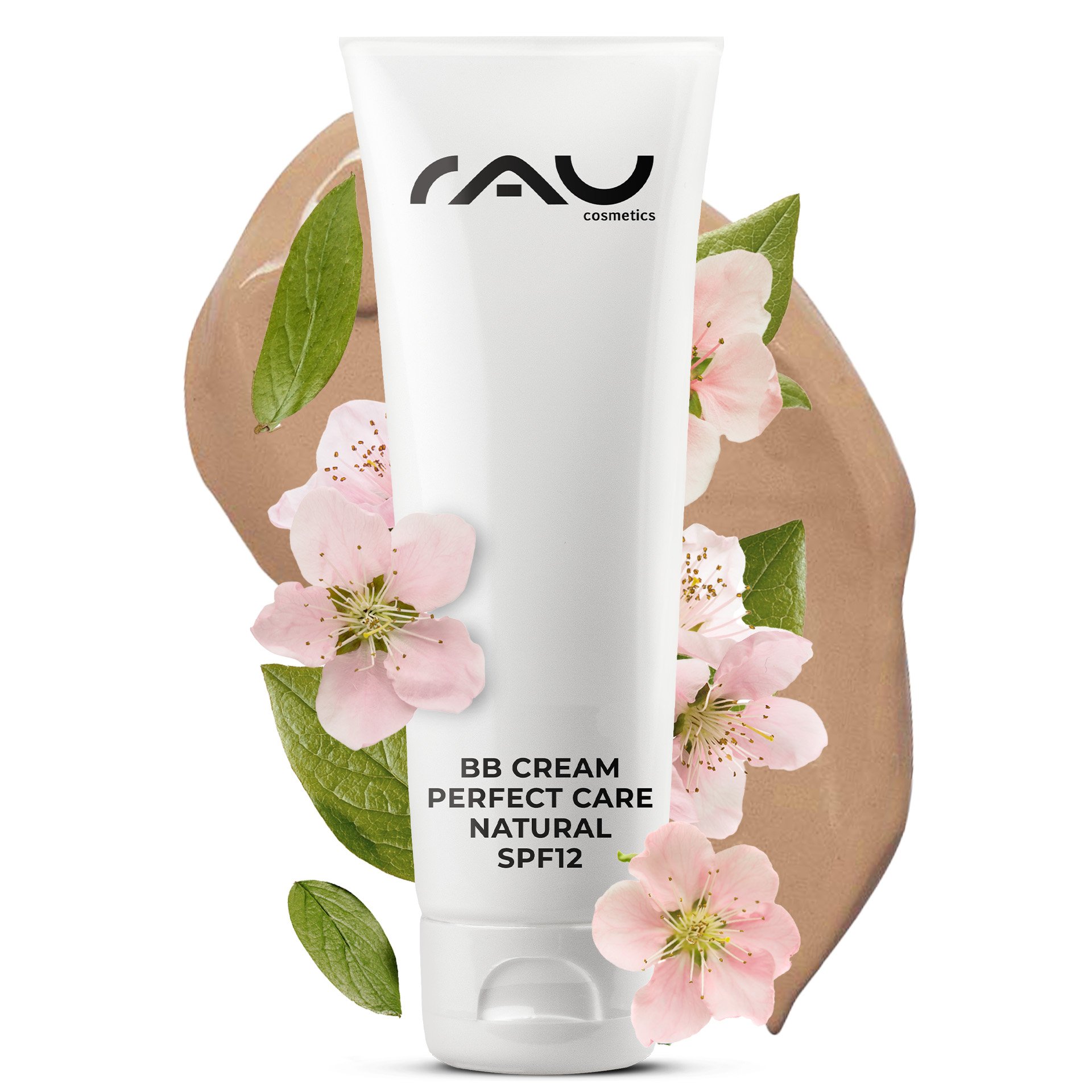
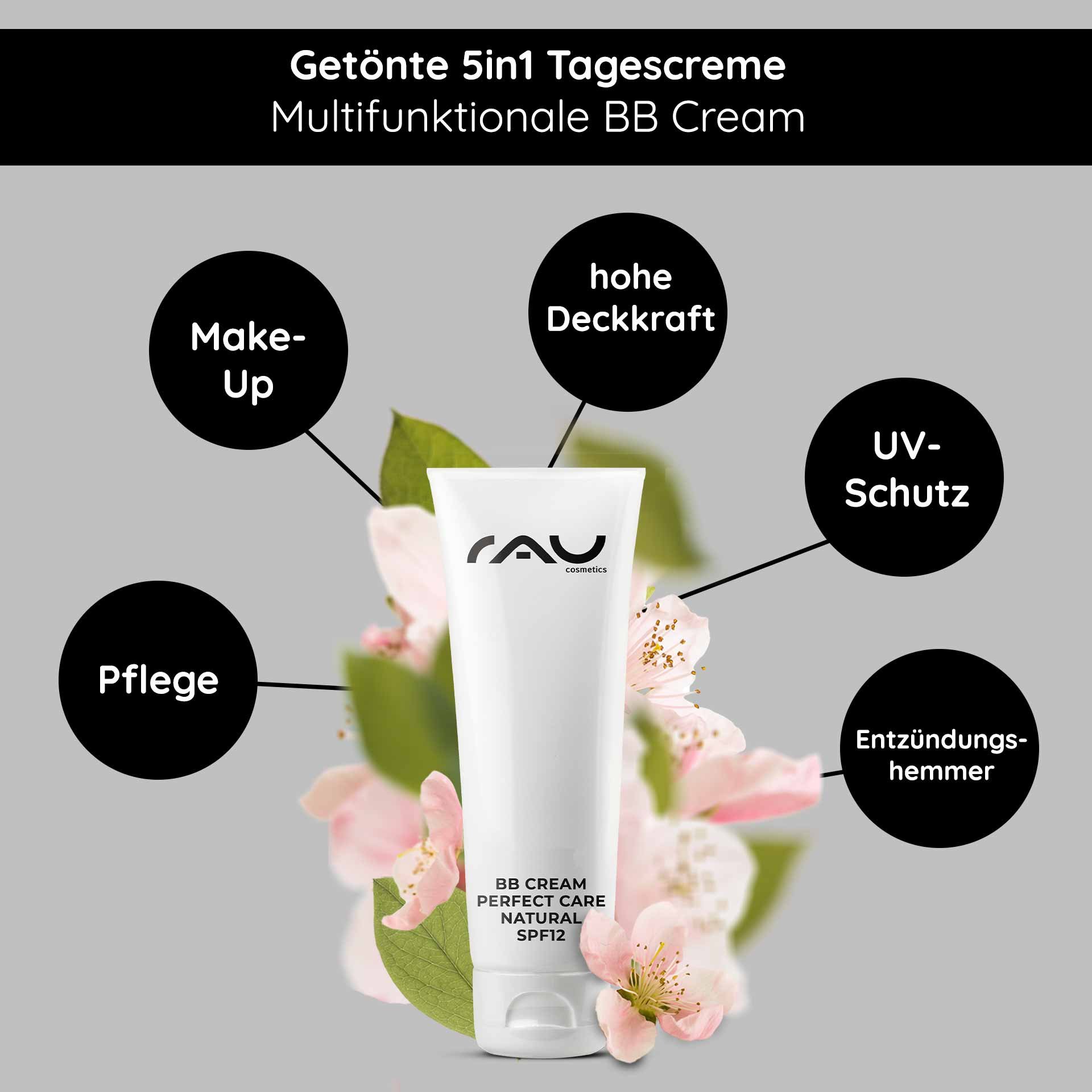
Content: 0.075 Liter ($520.27* / 1 Liter)


Content: 0.1 Liter ($651.10* / 1 Liter)

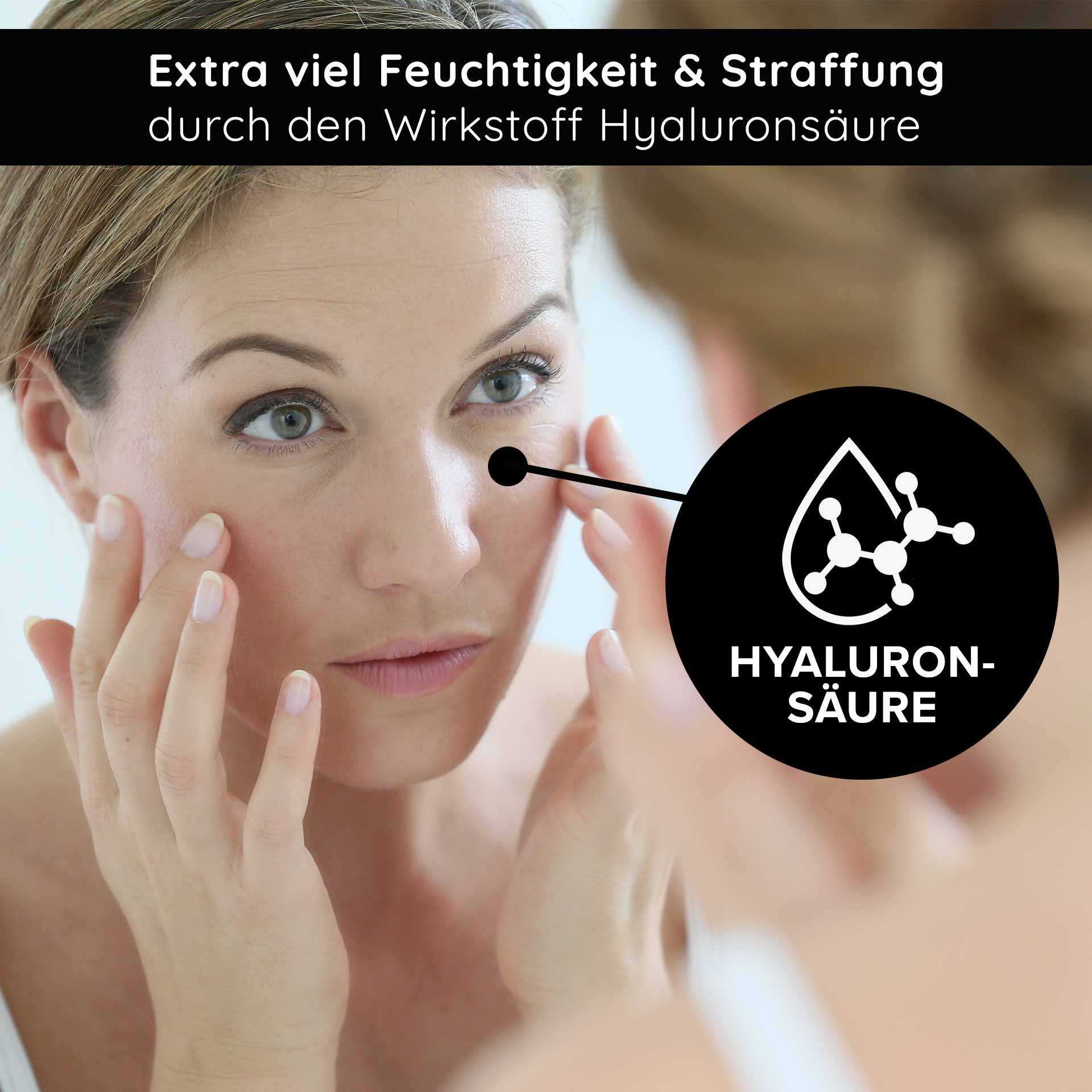
Content: 0.05 Liter ($1,302.20* / 1 Liter)


Content: 0.2 Liter ($486.15* / 1 Liter)
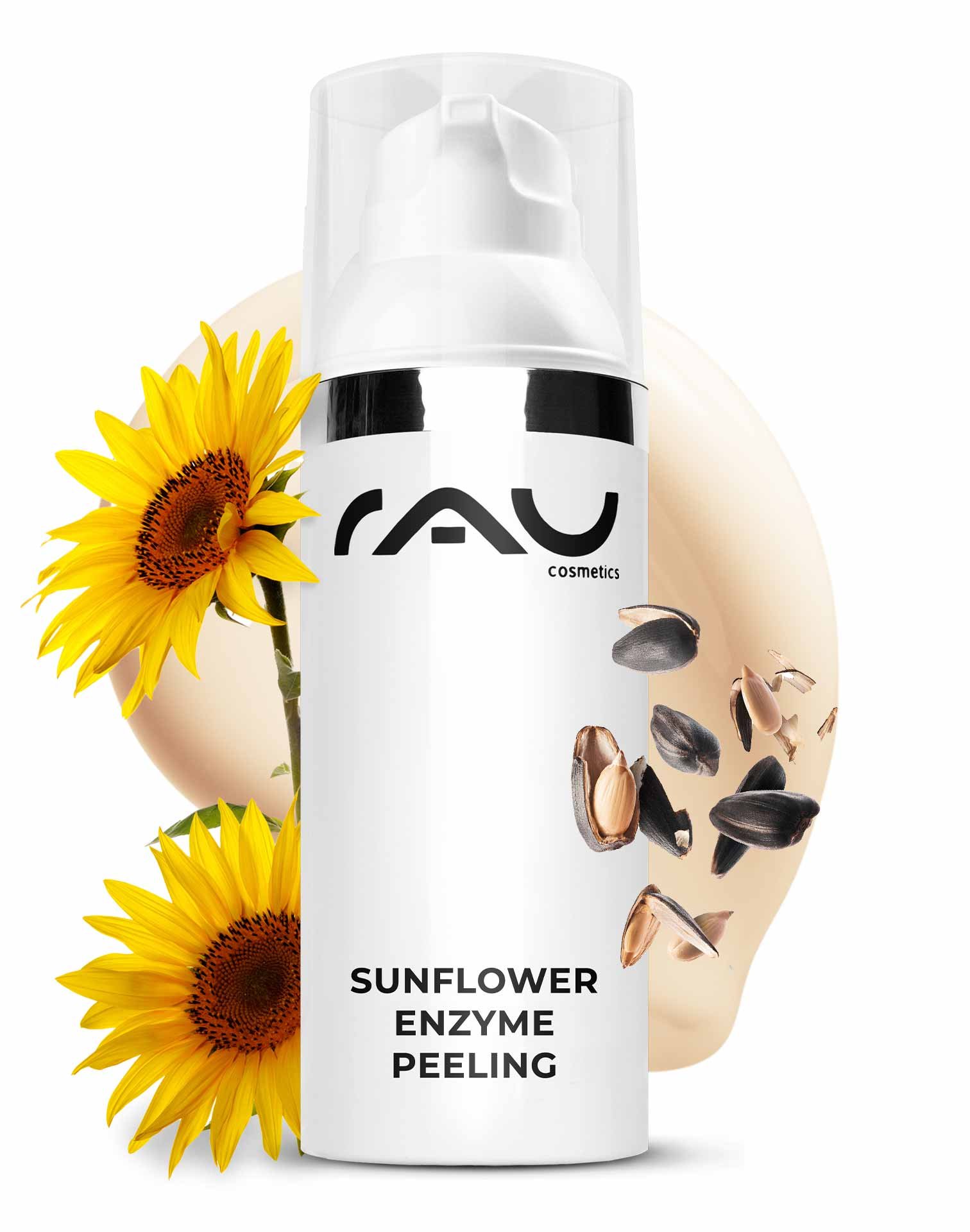
Content: 0.05 Liter ($519.40* / 1 Liter)
EMPFOHLEN FÜR RETINOL
RAU Cosmetics Retinol Serum Roll-On
Entwickelt für trockene & reife Haut — präzise Retinol-Anwendung mit Ceramid-Puffer.
4.78 / 5 · 211 Bewertungen
Zum Retinol SerumHäufige Fragen zu Retinol
Ab wann sieht man Ergebnisse mit Retinol Serum?
Erste Verbesserungen der Hauttextur nach 4 bis 6 Wochen. Anti-Aging-Effekte wie weniger Falten und mehr Festigkeit nach 12 bis 16 Wochen.
Kann ich Retinol Serum täglich anwenden?
Start mit 2x pro Woche abends — nach 4 Wochen auf 3 bis 4x steigern. Empfindliche Haut: 1x wöchentlich beginnen. Sonnenschutz am Folgetag ist Pflicht.
Retinol vs. Bakuchiol — was ist besser?
Retinol ist der klinisch am besten belegte Anti-Aging-Wirkstoff. Bakuchiol wirkt ähnlich, ist pflanzlich — ideal für Schwangere und sehr empfindliche Haut.